Disposable vapes look small, but their waste problem is far larger than their size suggests. Each device may contain a lithium battery, circuit board, plastic casing, metal coil, and nicotine residue. So, are disposable vapes recyclable? Sometimes, but not through ordinary household recycling bins.
Material Focus reported that about five million single-use vapes were discarded weekly in the United Kingdom during 2023. Its research shows how quickly these products can become a battery-waste issue. The Global E-waste Monitor 2024, published by UNITAR and the International Telecommunication Union, estimated that the world generated 62 billion kilograms of electronic waste in 2022. Only 22.3% was formally collected and recycled.
That gap matters.
The U.S. Environmental Protection Agency advises consumers to handle e-cigarettes carefully because lithium batteries can create fire risks. Nicotine residues also require responsible disposal. Recycling results depend on the device design, local facilities, and whether the battery can be safely separated. A vape may appear empty while still containing chemical residue or stored electrical energy.
This guide explains seven practical tips for identifying recyclable components, finding approved collection points, and avoiding unsafe disposal habits. It also examines a common misunderstanding: placing a vape in a plastic recycling bin does not make it recyclable. In some areas, specialist retailers or household hazardous-waste programs accept these devices. In others, no convenient service exists. That limitation deserves honest attention. Recycling is not always simple, and better product design remains part of the solution.
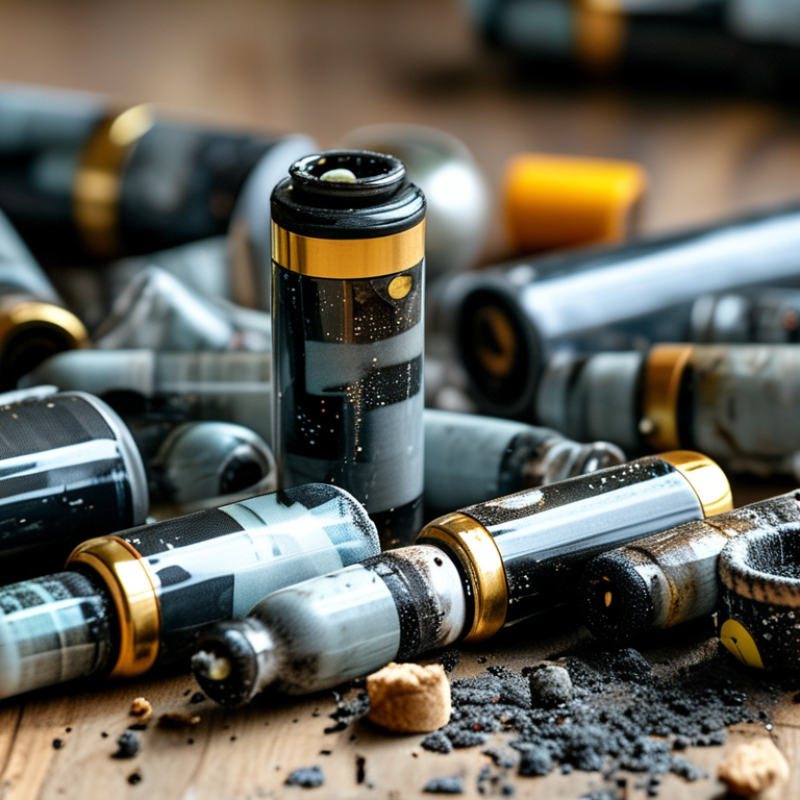
What Parts of a Disposable Vape Can Be Recycled?
What Parts of a Disposable Vape Can Be Recycled?
A disposable vape is not one recyclable item. It is a small mixed-waste device containing a lithium battery, circuit board, heating coil, plastic casing, metal parts, and absorbent material. The battery and circuit board usually have the highest recovery value. They contain metals that specialist e-waste processors may extract under controlled conditions.
The Global E-waste Monitor 2024 reported 62 million tonnes of electronic waste worldwide in 2022. Only 22.3% was formally collected and recycled. Disposable vapes add another difficult stream because their batteries remain sealed inside compact bodies.
The International Aluminium Institute notes that recycled aluminium can use about 95% less energy than primary production. However, recovery depends on clean separation and suitable facilities.
Plastic shells may be recyclable in theory, but residue and mixed polymers often reduce their value. The heating coil, cotton-like wick, and electronic components usually need specialist handling.
Do not cut, crush, burn, or place a device in household recycling. The U.S. Environmental Protection Agency advises keeping lithium-ion batteries out of regular rubbish and recycling bins because they can cause fires.
Local collection rules also vary. I once assumed the metal casing made recycling simple. It does not. A certified e-waste or battery collection point is the safer route, especially when liquid residue remains.
Why Most Disposable Vapes Cannot Go in Household Recycling Bins
Most disposable vapes cannot go in household recycling bins because they contain lithium-ion batteries, electronic circuits, and mixed plastics. Recycling facilities are designed for sorted packaging, not small devices with hidden power cells. Damaged batteries can spark fires in collection trucks and sorting plants. The UN Global E-waste Monitor 2024 reported 62 billion kilograms of electronic waste worldwide in 2022, but only 22.3% was formally collected and recycled. The Waste Electrical and Electronic Equipment Forum also estimated that 5.3 billion disposable vapes were discarded globally in 2022.
Tip: Never place a disposable vape in household recycling or general waste. Tip: Keep it dry and away from keys, coins, and heat. Tip: Do not crush, open, or puncture the device. I once assumed “empty” meant harmless. It does not.
Tip: Store used devices in a small, non-metal container until drop-off. Tip: Ask your local council, retailer, or licensed e-waste site about accepted vape recycling. Tip: Follow the facility’s instructions, because collection rules vary by region. Tip: If the battery looks swollen, hot, leaking, or damaged, avoid handling it and contact local waste services. These steps sound simple, yet disposal guidance remains confusing. That gap deserves more attention from manufacturers, retailers, and regulators.
How to Empty and Prepare a Disposable Vape for Recycling
Disposable vapes can be recyclable, but not through ordinary household bins.
Their plastic shell, lithium battery, circuit board, and remaining liquid require separate handling.
Material Focus reported in 2023 that about five million disposable vapes were discarded weekly in the United Kingdom, equal to roughly eight every second.
The same report estimated only 1.3 million were recycled each week.
That gap shows why preparation matters.
“Empty” should not mean opening the device.
Stop using it when it no longer produces vapor, and never puncture, crush, burn, or rinse it.
Do not pour out leftover liquid.
Place the intact device in a small, leak-resistant container away from heat, children, and metal objects.
If it leaks, avoid direct skin contact and follow local hazardous-waste guidance.
The United States Environmental Protection Agency warns that lithium batteries can start fires in trash and recycling systems, especially when damaged.
A practical step is checking your local e-waste center before travelling, because acceptance rules differ.
Some collection points accept complete devices; others require battery-specific drop-off.
I once assumed “recycling” meant the blue bin, but that shortcut is unsafe and often wrong.
Carrying one device separately feels excessive.
It is still the better choice.
Where to Take Used Disposable Vapes for Proper Disposal
Are Disposable Vapes Recyclable? Where to Take Used Disposable Vapes for Proper Disposal
Disposable vapes are not ordinary rubbish. Their lithium batteries and electronic parts can often be recovered, but they should not enter household bins. The U.S. Environmental Protection Agency advises taking used lithium batteries and electronic devices to approved collection points or household hazardous-waste facilities. In the United Kingdom, the Material Focus Recycle Your Electricals report estimated that five million disposable vapes were discarded weekly in 2023. That figure shows the problem clearly.
Tip one: Stop using the device when it tastes burnt or stops working.
- Tip two: Do not open, crush, burn, or puncture it.
- Tip three: Keep it dry and away from heat.
- Tip four: Place it in a separate container during transport.
- Tip five: Take it to a local e-waste centre, battery drop-off site, or household hazardous-waste facility.
- Tip six: Ask an authorised vape retailer about take-back services.
- Tip seven: Check your council or municipal website before travelling, because collection rules differ.
Never put a disposable vape in curbside recycling or general waste. Damaged, swollen, leaking, or hot devices need extra care; avoid touching leaked material and contact local waste services for instructions. The guidance is not perfectly uniform, and recycling labels can be confusing. A quick local check remains the safest choice. Recyclable does not mean bin-ready.
Seven Practical Tips for Safer Vape Recycling Decisions
Are Disposable Vapes Recyclable?
Seven Practical Tips for Safer Vape Recycling Decisions
Disposable vapes are not suitable for household recycling bins. Their plastic shells, electronics, and lithium-ion batteries need separate handling. Material Focus reported that about five million disposable vapes were discarded weekly in the UK during 2023. That figure shows the scale of the problem. Tip 1: Assume specialist recycling is required. Tip 2: Never crush, puncture, burn, or dismantle the device. Tip 3: Keep it away from children, heat, water, and metal objects.
Tip 4: Check your local authority’s battery or electronic-waste collection guidance. Rules differ by location. Tip 5: Contact the collection point before travelling. Ask whether sealed disposable devices are accepted. Tip 6: Store the intact device temporarily in a cool, dry place, away from loose batteries and keys. The United States Environmental Protection Agency warns that lithium-ion batteries should not enter household garbage or recycling bins because they can cause fires. A small battery can still create a large hazard.
Tip 7: If the device is swollen, leaking, hot, or damaged, do not transport it casually. Keep people away and seek instructions from local waste professionals. I have seen recycling advice oversimplified online. “Recyclable” does not mean “curbside recyclable.” Materials may be recoverable, but the collection route matters. Clear labeling would help, yet consumers must still pause and verify the destination before disposal.
Are Disposable Vapes Recyclable? Seven Safer Recycling Decisions
Disposable vapes should not be placed in household trash or curbside recycling. They contain lithium-ion batteries, electronic components, metals, plastics, and residual nicotine. Use the chart as a practical priority guide when deciding how to handle one.
Priority scale: 1 = useful check; 5 = essential safety action. The scores represent handling priority, not a measured recycling rate.
1. Identify the device
Treat a disposable vape as electronic waste because it normally contains a built-in rechargeable battery and circuit board.
2. Never use household trash
Lithium-ion batteries can cause fires when crushed, punctured, or damaged during collection and processing.
3. Avoid curbside recycling
Most curbside programs are not designed to safely accept batteries, vapes, or nicotine-contaminated devices.
4. Do not dismantle it
Opening the device can expose the battery, liquid nicotine, and sharp or conductive components.
5. Prevent battery damage
Keep the device dry and away from heat, metal objects, children, and pets while arranging disposal.
6. Use an approved drop-off route
Choose a local household hazardous-waste, battery-recycling, or electronic-waste program that explicitly accepts vapes.
7. Check local rules first
Acceptance rules vary by location, so confirm the facility’s requirements before transporting the device.
Reference guidance: U.S. Environmental Protection Agency information on e-cigarette waste, lithium-ion battery safety, and household hazardous waste; U.S. Food and Drug Administration information on nicotine exposure.
Conclusion
Are disposable vapes recyclable? The answer depends on their individual components and the recycling systems available in your area. A disposable vape may contain recyclable metals, plastics, electronic parts, and a lithium battery, but these materials are combined in a small device that most household recycling facilities cannot safely process. For this reason, placing a used vape in a regular recycling bin may create fire, leakage, or contamination risks.
Before disposal, keep the device away from heat, water, and children, and do not crush, puncture, burn, or dismantle it. If local guidance allows preparation, ensure the vape is no longer in use and handle it carefully without forcing out liquid or removing the battery. Store it separately in a cool, dry place and take it to an authorized battery collection point, electronics recycling center, or designated vape disposal program. The seven key tips are to check local instructions, avoid household bins, prevent battery damage, keep devices dry, separate them from other waste, use approved drop-off locations, and ask staff for guidance when uncertain.

 Flow Vape