Choosing a disposable vape should begin with health, legality, and personal needs—not bright packaging or an impressive puff count. This guide explains how to choose the right disposable vape for legal-age adult smokers seeking a potentially lower-risk alternative to combustible cigarettes. Non-smokers and young people should not start vaping. Nicotine can cause dependence.
Evidence requires careful reading. The U.S. Centers for Disease Control and Prevention reported 1.63 million current student e-cigarette users in the 2024 National Youth Tobacco Survey. The World Health Organization also states that e-cigarettes are harmful and not risk-free. Meanwhile, the Cochrane Living Review found that nicotine e-cigarettes may help some adults stop smoking, although longer-term research remains necessary. The evidence is useful, but not perfect.
Professor Ann McNeill, a leading tobacco and vaping researcher, has said, “Vaping is not risk-free, but it is substantially less harmful than smoking.” That distinction matters. “Less harmful” does not mean harmless. A responsible choice involves checking nicotine strength, ingredient transparency, battery safety, authenticity, and local age restrictions. It also means avoiding products with unclear origins or exaggerated claims. A smooth draw can hide poor quality. A large puff number can mislead. Even a reputable brand cannot predict how your body will respond.
The seven tips ahead turn these concerns into practical checks. Look for clear labeling, sealed packaging, appropriate nicotine levels, and independent safety information. Keep the device away from children and pets. Stop using it if you experience chest pain, severe dizziness, or breathing difficulties, and seek medical advice.
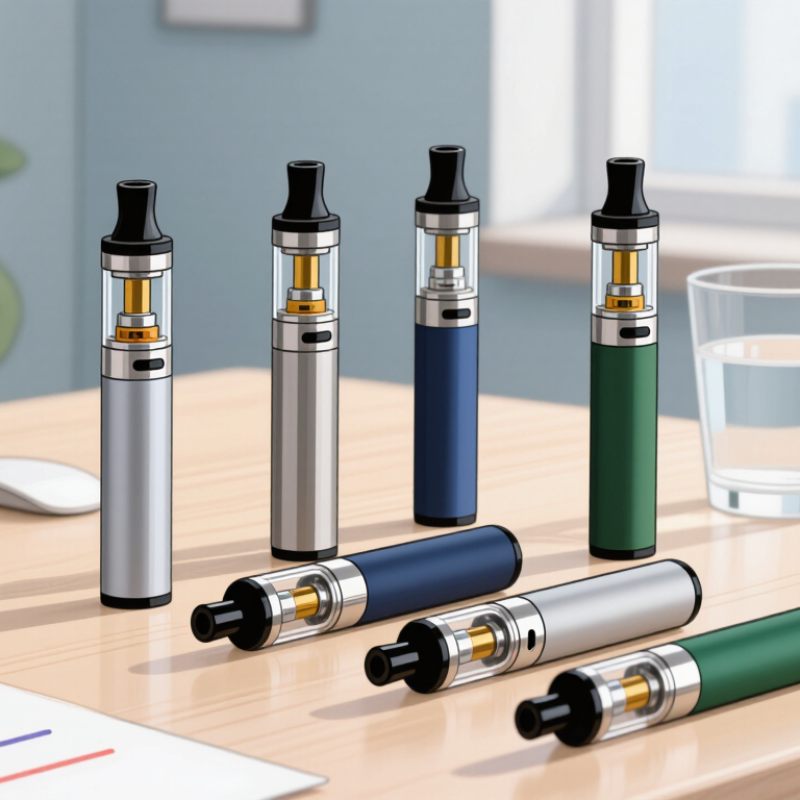
Choosing the right disposable vape starts with your actual needs, not packaging claims. Adults who do not use nicotine should not begin. Nicotine is addictive, and the World Health Organization says e-cigarette emissions can contain harmful substances. If you smoke cigarettes, consider whether vaping supports a complete switch rather than dual use. The 2024 Cochrane Review found nicotine e-cigarettes may help some adults stop smoking, although long-term evidence remains limited.
Know your baseline. A heavy daily smoker may find very low nicotine unsatisfying, while an occasional user may experience dizziness, nausea, or a racing heartbeat. Check the label for nicotine strength, expressed as mg/mL or a percentage. Do not assume a higher number means better value. The U.S. CDC reported 1.63 million American middle and high school students used e-cigarettes in 2024, showing why age controls and careful storage matter. Keep devices away from children and pets.
Usage habits matter more than advertised puff counts. Puff estimates vary with draw length, frequency, and battery performance. Choose a legal product with clear ingredients, sealed packaging, readable nicotine information, and disposal guidance. Battery life matters if you commute; a compact size may suit occasional use. I would question any device that tastes burnt or leaks. My checklist is imperfect, because individual nicotine needs are difficult to measure without professional support. If you are pregnant, underage, or have heart symptoms, seek medical advice instead.
7 Best Tips for Choosing the Right Disposable Vape?
Product quality should be checked before appearance or flavor. Hold the package under bright light. Look for an intact seal, clear printing, a batch number, and an expiry date. The label should identify ingredients, nicotine strength, safety warnings, and the responsible manufacturer or importer. Avoid products with missing details, spelling errors, leaking liquid, or damaged packaging. Small defects can signal larger problems.
Authenticity requires more than scanning a QR code. Confirm the code through an official verification page, not an unfamiliar link. Compare the batch information with the package and keep your receipt. I once assumed a neat package meant a genuine product. That was careless. Packaging can look convincing, so independent verification matters. A retailer with a clear return policy also offers useful protection.
Regulatory compliance depends on your location. Check the relevant government website for permitted nicotine limits, labeling rules, and age restrictions. Some products may be legal elsewhere but not where you live. Do not purchase items that lack required warnings or local authorization. Never modify a device, refill a sealed unit, or use one with heat damage. If the liquid smells unusual or the device becomes hot, stop using it and dispose of it according to local battery-waste guidance.
For legal-age adults, battery life should match realistic daily use, not the largest printed number. Puff capacity is measured under laboratory conditions, often with short draws. Longer inhalations can reduce the actual count. A 600-puff device may not deliver 600 equal sessions. Check the battery rating, charging instructions, and clear end-of-life signals. The U.S. National Youth Tobacco Survey reported 1.63 million current youth e-cigarette users in 2024, reinforcing the need for strict age controls and responsible purchasing.
Flavor affects consistency more than excitement. Read the ingredient information, where available, and avoid products with unclear labeling. Cooling flavors can feel smooth while hiding harshness. That detail is easy to miss. The CDC notes that e-cigarette aerosol can contain nicotine, ultrafine particles, and other potentially harmful substances. Therefore, flavor preference should never replace safety information or local regulatory compliance.
Device design matters during ordinary handling. A compact shape fits pockets, but tiny indicators can make battery warnings difficult to notice. Smooth airflow, a secure mouthpiece, and leak-resistant construction deserve attention. National Trading Standards estimated that about five million disposable vapes were discarded weekly in the United Kingdom during 2023. That figure makes disposal design important, not decorative. I would question oversized puff claims and flashy packaging. There is no perfect score. Compare measurable details, and remember that performance can vary between units.
Choosing the right disposable vape starts with the ingredient label. A clear label should identify nicotine content, flavoring agents, and other added substances. Avoid products with vague descriptions or missing manufacturer details. Check the batch number, production date, and contact information. These details support traceability if a problem appears. Also confirm that the product follows local age and sale requirements. If key information is missing, do not guess.
Safety features deserve close attention. Look for sealed packaging, intact mouthpieces, and signs of battery protection. Automatic shutoff features can reduce overheating during extended use. Avoid any device that feels unusually hot, looks swollen, or leaks liquid. Never charge a disposable device unless its instructions specifically allow it. Small details matter. A damaged package is not worth the risk.
User warnings should be read before opening the device, not after discomfort begins. Warnings may mention nicotine dependence, pregnancy risks, allergies, and proper storage. Keep the product away from children and pets. Stop using it if you experience dizziness, nausea, chest discomfort, or breathing problems, and seek medical advice when needed. I used to focus mainly on flavor and convenience. That was too narrow. A strict checklist can feel excessive, but it helps expose unclear labeling and careless design.
Choosing a disposable vape should include its end-of-life plan, not only battery life or flavor. A practical check is simple: look for clear disposal guidance and a nearby approved collection point. The Global E-waste Monitor 2024 reported 62 billion kilograms of electronic waste worldwide in 2022. Only 22.3% was formally collected and recycled.
Tip 1: Check disposal access before buying. In the UK, Material Focus reported that about five million disposable vapes were discarded weekly in 2023. Many contain lithium batteries and electronic circuits. They should not enter household bins, recycling bins, drains, or public spaces. Keep the device dry and undamaged. Never puncture, crush, or dismantle it.
Tip 2: Use an authorised e-waste or battery collection service. Local rules differ, so follow municipal instructions carefully. If a collection point accepts these devices, place them separately and avoid loose contact with metal objects. This small action reduces fire risks during transport and sorting. It is not perfect, though. Recycling systems still vary widely, and “recyclable” does not guarantee recovery. Before purchase, ask whether the seller provides take-back information. A cheaper device can create a larger environmental burden when disposal is unclear.
| No. | Decision Area | What to Check | Why It Matters | Responsible Action |
|---|---|---|---|---|
| 1 | Legal and age requirements | Confirm that the product is legal where you live and that you meet the applicable minimum-age requirement. | Vaping products are regulated differently by jurisdiction, and nicotine use is intended for adults only. | Follow local regulations and never give a nicotine product to a minor or a non-user. |
| 2 | Nicotine strength and dependence | Read the nicotine concentration and serving information; avoid assuming that a larger puff claim means lower exposure. | Nicotine is addictive, and product strength and individual use patterns affect exposure. | Non-smokers, young people, and pregnant individuals should not use nicotine products. Seek qualified cessation support if needed. |
| 3 | Product information and safety | Look for clear ingredients, nicotine labeling, batch or traceability information, and safety instructions. | Incomplete labeling makes it harder to assess contents, safe handling, and potential recalls. | Do not use a device that leaks, is damaged, overheats, or shows signs of tampering. |
| 4 | Battery and fire safety | Assume the device contains a lithium-ion battery, even when it is labeled disposable. | Lithium-ion batteries can cause fires or damage waste-processing equipment when crushed, compacted, or incorrectly handled. | Keep devices away from heat and water, do not puncture or dismantle them, and do not place them in household trash or curbside recycling unless local guidance specifically allows it. |
| 5 | Waste and recycling route | Identify a local household hazardous-waste, e-waste, battery, or dedicated vape collection point before purchase. | A disposable vape combines electronic components, a battery, plastics, and nicotine-containing residue, so ordinary recycling may not accept it. | Follow municipal instructions, keep the device intact, and ask the collection facility how it should be transported and stored. |
| 6 | Waste reduction and life cycle | Compare how often the device becomes waste and whether a non-disposable, legally available alternative better fits your needs. | Single-use products create repeated waste streams containing batteries, metals, plastics, and electronic parts. | If you already use nicotine, consider a durable device with replaceable or refillable parts only where permitted and where it can be maintained safely. |
| 7 | End-of-life preparation | Check whether the device is leaking, swollen, hot, or damaged before taking it to a collection point. | Nicotine residue can be harmful if swallowed or absorbed, while damaged batteries present a higher fire risk. | Keep intact devices away from children and pets. Do not empty, burn, crush, or open them. Contact local waste authorities for instructions on damaged devices. |
Check the seal, clear printing, batch number, expiry date, and safety warnings. Avoid leaks, spelling errors, or crushed packaging. Small defects matter.
Look for nicotine strength, flavoring agents, added substances, production details, and manufacturer contact information. Do not guess when information is missing.
Scan the code through an official verification page. Compare its batch information with the package, and keep your receipt.
No. Local rules may set nicotine limits, labeling standards, age restrictions, and authorization requirements. Check your government’s official website.
Look for sealed packaging, an intact mouthpiece, and battery protection. Automatic shutoff may help reduce overheating during extended use.
Stop if it becomes hot, leaks, swells, smells unusual, or shows heat damage. Dispose of it under local battery-waste guidance.
Do not charge it unless the instructions specifically allow charging. Never refill a sealed unit or modify its design.
Stop using it if dizziness, nausea, chest discomfort, or breathing problems appear. Seek medical advice when needed. Do not ignore symptoms.
Keep it away from children and pets. Read warnings about pregnancy, allergies, nicotine dependence, and proper storage before opening it. I once focused only on flavor. That was too narrow.
Choosing the right disposable vape begins with understanding your personal needs, nicotine preferences, and usage habits. Adults should consider whether they prefer occasional or regular use, the nicotine strength they can comfortably tolerate, and the device’s puff capacity and battery life. Flavor options and overall design also matter, especially if portability and ease of use are important. Learning how to choose the right disposable vape means comparing these features carefully instead of selecting a product based only on appearance or price.
Before purchasing, verify product authenticity, ingredient information, safety features, warning labels, and applicable regulatory compliance. Avoid products with unclear origins, damaged packaging, or incomplete instructions. It is also important to understand potential health risks and follow all age restrictions and local requirements. Finally, dispose of used devices through appropriate battery or electronic-waste collection services rather than placing them in regular household trash. Responsible selection and disposal can support safer use and help reduce environmental harm.

Flow Vape