5 Best Ways to Choose Nicotine Strength for Vaping?

Time:2026-09-30 Author:Mason
0%

Choosing a nicotine strength for vaping is not a one-size-fits-all decision. It depends on your previous nicotine use, product design, inhalation style, and personal sensitivity. If you are asking, “what nicotine strength should i choose for vaping,” begin with accurate product information and honest self-assessment. Check the label for nicotine concentration, usually shown in milligrams per millilitre. Compare that figure carefully, because similar-looking products can deliver nicotine differently.

This guide explores five practical ways to make a safer, more informed choice. It considers your former cigarette intake, the device’s airflow, the liquid type, and how your body reacts. A small pod with tight airflow may feel stronger than a larger device producing more vapour. Nicotine salts can also feel smoother than traditional freebase nicotine, which may make strength harder to judge by sensation alone. Do not rely only on throat hit.

Pay attention to real signals. Headaches, nausea, dizziness, or a racing heartbeat may indicate that the strength is too high, and stopping is sensible. Persistent cravings may suggest that the choice is not meeting your needs, but increasing nicotine is not automatically the answer. There is no perfect number. A first choice may need reconsideration.

People who do not currently use nicotine should avoid starting. Adults who use nicotine may benefit from discussing dependence, medications, pregnancy, or health conditions with a qualified healthcare professional. Product quality and regulations also vary by location. Use only legally sold, clearly labelled products, and review trusted public-health guidance before deciding.
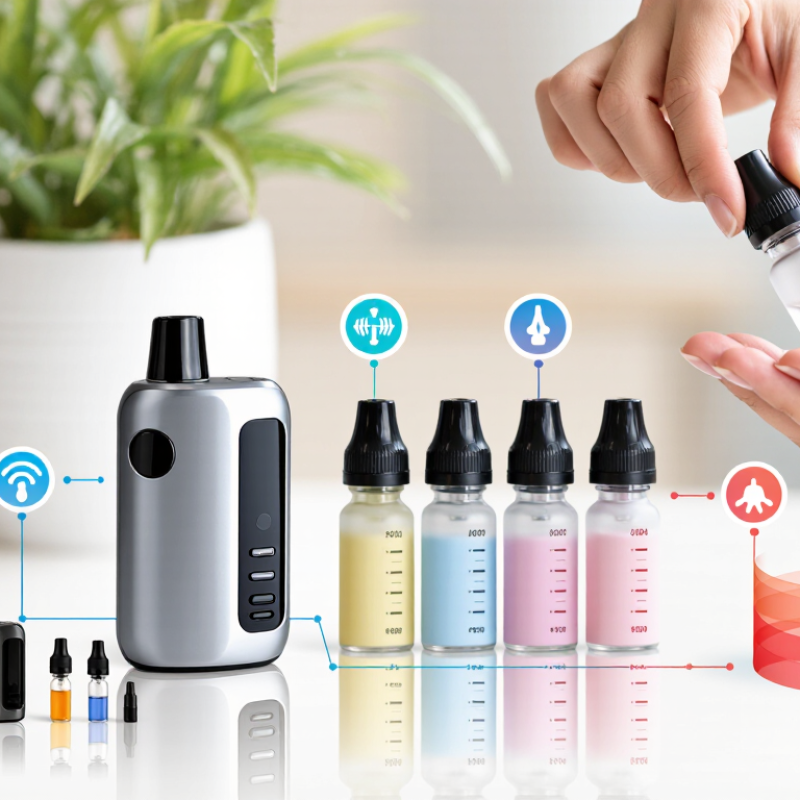
5 Best Ways to Choose Nicotine Strength for Vaping?

Assess Your Current Nicotine Use and Smoking History

When choosing nicotine strength for vaping, start with your actual nicotine history, not a guess. Record how many cigarettes you smoked daily and when you needed the first one. Morning cravings can indicate stronger dependence. Frequent use throughout the day matters too.

Check whether you used cigarettes, nicotine pouches, or another nicotine product. Note the strength, frequency, and how quickly you finished each session. Do not assume one cigarette equals a fixed vaping amount. Device design, liquid concentration, inhalation style, and personal habits can change nicotine delivery. Labels may show milligrams per millilitre, so read them carefully.

A cautious starting point is usually more sensible than choosing the strongest option. Watch your body during the first several days. Headaches, nausea, dizziness, or a racing heartbeat may suggest excessive nicotine exposure. Strong cravings and repeated vaping may suggest the strength is not meeting your needs, but they can also reflect habit or stress. That distinction is easy to miss. I would reassess the pattern instead of increasing strength automatically. A healthcare professional or qualified smoking-cessation adviser can review your history, especially if you are pregnant, underage, taking medication, or managing heart conditions. Avoid combining vaping with continued smoking whenever possible, because total nicotine intake can become difficult to judge.

Understand Nicotine Strength Units and E-Liquid Labels

5 Best Ways to Choose Nicotine Strength for Vaping?

Nicotine strength labels can look confusing at first. The most common unit is milligrams per millilitre, written as mg/mL. A label showing 6 mg/mL contains six milligrams of nicotine in each millilitre of e-liquid. Some products use percentages instead. As a rough guide, 1% usually represents 10 mg/mL. Always check the printed information.

Read the entire label, not only the large number. Confirm whether the figure describes nicotine concentration or total nicotine in the bottle. A 10 mL bottle at 6 mg/mL contains 60 mg of nicotine in total. Strength may also differ between freebase nicotine and nicotine salts. Their throat sensation and inhalation experience can vary, even at similar listed levels. Start with the lowest suitable strength, especially if you have limited experience. Small steps matter.

Observe your response over several sessions. Headache, nausea, dizziness, or a racing heartbeat can signal that the strength is too high. Stop using it and seek medical advice if symptoms continue. Nicotine is addictive. Non-users, young people, and pregnant individuals should avoid nicotine products. Follow local age rules, product standards, and health guidance. Labels are not always intuitive, and I still double-check the units before buying. A neat number can create false confidence. Your routine, device, and inhalation pattern also affect nicotine intake. Keep the bottle secure and follow its storage instructions.

Match Nicotine Strength to Your Vape Device and Liquid Type

Choosing nicotine strength starts with the device, not the bottle. A compact, low-power pod usually produces less aerosol per puff. It often suits lower-volume inhalation and moderate-nicotine liquids. A high-power tank heats more liquid quickly. The same labeled strength may feel unexpectedly intense. NASEM’s 2018 report found that nicotine delivery varies with device design, liquid concentration, and user technique. That finding matters more than neat online charts. Small devices differ, too.

Liquid type also changes the experience. Freebase nicotine can feel sharper in the throat as concentration rises. Nicotine salts are commonly smoother, so users may inhale more comfortably. Smooth does not mean weak. Start with the stated concentration and follow local labeling rules. For an adult moving away from cigarettes, a stronger liquid may suit a low-output device. In a powerful device, that same strength may cause nausea, dizziness, headache, or a racing heartbeat. Stop using it. Seek medical advice when needed. The CDC stresses that nicotine remains highly addictive.

A sensible method is to change one factor at a time. Keep the device setting steady. Take short puffs, then wait several minutes before deciding. Record throat feel, cravings, and symptoms. The UK Office for Health Improvement and Disparities’ 2022 evidence review also emphasizes that exposure depends on product and user behavior. I would not claim one perfect strength exists. Coil age, puff length, and airflow can quietly change delivery. Check the label, use compatible liquid, and reassess rather than chasing a stronger hit.

Monitor Cravings and Signs of Excess Nicotine

Choosing nicotine strength should begin with your cravings, not a higher number on the label. Mild cravings between sessions may suggest adequate nicotine delivery. Persistent urges, irritability, or difficulty concentrating may indicate that the strength feels insufficient. However, cravings can also reflect stress, habit, or withdrawal. The National Academies of Sciences, Engineering, and Medicine reported that nicotine delivery varies widely by device, liquid, and user behavior. That estimate is not perfect.

Watch for signs of excess nicotine. These may include nausea, dizziness, headache, sweating, shakiness, a racing heartbeat, or unusual restlessness. Stop using nicotine if these symptoms appear. Seek urgent medical help for severe vomiting, confusion, breathing problems, or chest pain. The Centers for Disease Control and Prevention identifies nicotine as highly addictive and warns that exposure can affect cardiovascular function. Personal tolerance is not a safety guarantee.

Tips: Track cravings and symptoms for three days. Write down the time, strength, number of puffs, and how your body feels. Avoid increasing strength immediately after a stressful day. Drink water and pause for ten minutes before another session. If dizziness or nausea repeats, reduce exposure and speak with a qualified healthcare professional. The NHS and Cochrane evidence reviews also stress that vaping products deliver nicotine differently, so product labels cannot predict every person’s response. A simple record may reveal patterns that memory misses.

Adjust Gradually and Consider Reducing or Quitting Nicotine

5 Best Ways to Choose Nicotine Strength for Vaping?

Nicotine strength should match your previous nicotine use, not imitate someone else’s routine. Heavy smokers may need more nicotine initially, while occasional users often need less. Pay attention to morning cravings, irritability, and how often you reach for the device. These details reveal whether the level feels adequate.

Go slowly. After several stable weeks, reduce the strength slightly. A sudden drop can trigger stronger cravings and may push someone back toward smoking. Keep a simple note of daily use, sleep, mood, and cravings. The pattern may be more useful than a single uncomfortable day. A healthcare professional can help, especially during pregnancy, adolescence, or treatment for heart conditions.

The 2022 Office for Health Improvement and Disparities evidence review reported that vaping creates only a small fraction of the health risks associated with smoking, while stressing that it is not risk-free. The 2024 Cochrane review found nicotine vaping can help some adults stop smoking, although long-term evidence remains limited. That uncertainty matters. Reducing nicotine is a reasonable goal, but quitting vaping completely may offer further health benefits. Do not rush the process. Steady progress counts, even when the plan needs adjustment.

FAQS

What should I consider before choosing a nicotine strength?

Review your nicotine-use history, including daily use and how soon cravings begin after waking. Frequent use may matter too. A guess can be misleading.

Do cigarettes translate directly into a vaping amount?

No. Devices, liquid concentration, inhalation style, and personal habits affect nicotine delivery. One cigarette does not equal a fixed vaping amount.

How do I read an mg/mL label?

It shows nicotine concentration per millilitre of liquid. For example, 6 mg/mL means six milligrams in each millilitre. Check the full label.

What does a percentage on an e-liquid label mean?

As a rough guide, 1% usually represents 10 mg/mL. Confirm the product’s printed details, since labels can be confusing.

What is the difference between concentration and total nicotine?

Concentration describes nicotine in each millilitre. A 10 mL bottle at 6 mg/mL contains 60 mg in total. Easy to overlook.

What symptoms may suggest too much nicotine?

Headache, nausea, dizziness, or a racing heartbeat can be warning signs. Stop using the product and seek medical advice if symptoms continue.

Do cravings always mean the nicotine strength is too low?

Not necessarily. Habit or stress may also contribute to cravings and repeated use. I might reassess the pattern before drawing conclusions.

Who should get professional advice before using nicotine products?

Ask a healthcare professional or qualified cessation adviser if you are pregnant, underage, taking medication, or managing a heart condition. Nicotine is addictive.

Conclusion

Choosing the right nicotine level for vaping starts with assessing your current nicotine use, smoking history, and personal goals. Consider how much and how often you previously smoked, then learn how nicotine strength is shown on e-liquid labels, such as milligrams per milliliter or a percentage. If you are asking, “what nicotine strength should i choose for vaping,” remember that the answer depends on your tolerance, device, and liquid type. Lower-powered devices and nicotine salt liquids may require different strengths than higher-powered devices using standard e-liquid.

After choosing a starting level, monitor your cravings, satisfaction, and physical responses. Persistent cravings may suggest the strength is too low, while dizziness, nausea, headaches, or a racing heartbeat can indicate excessive nicotine. Make adjustments gradually rather than changing dramatically, and avoid increasing strength simply to vape more often. Over time, consider reducing nicotine step by step, especially if your goal is to become nicotine-free. If you are unsure or experience concerning symptoms, consult a qualified healthcare professional.

Mason

Mason

Mason is a seasoned marketing professional with a deep expertise in the company's offerings and a passion for driving brand awareness. With a strong background in digital marketing strategies, he has an innate ability to connect with diverse audiences and effectively communicate product benefits.......