Disposable vaping is entering a more regulated and evidence-led phase. For manufacturers, retailers, and adult consumers, compliance now means more than meeting a nicotine limit. It includes product testing, ingredient disclosure, packaging accuracy, battery safety, age controls, and responsible waste handling. The European Commission’s Tobacco Products Directive requires strict notification and packaging standards for regulated nicotine products. In the United States, the FDA continues reviewing products through its premarket tobacco application process. Requirements differ by market. That matters.
So, what are the latest trends in disposable vapes? Current industry reporting points toward lower-risk design choices, clearer labeling, tighter traceability, and more controlled product portfolios. Euromonitor International identifies regulation, affordability, and shifting consumer preferences as major forces in nicotine product markets. Grand View Research also reports continued interest in compact vapor products, while emphasizing product segmentation and regional differences. These reports offer useful direction, but they should not be treated as universal predictions.
This China Top 10 Latest Compliant Disposable Vape Trends overview examines practical developments across compliant product design. Topics include leak-resistant structures, child-resistant packaging, standardized testing, battery protection, recyclable materials, and digital batch tracking. Each trend should be assessed against local rules, technical documentation, and verified laboratory evidence. Marketing claims require caution. “Eco-friendly” is not automatically measurable. “Safer” is not a simple conclusion.
The market is moving quickly. Compliance can still be inconsistent. This overview therefore combines industry data with a critical perspective, recognizing that technology, regulation, and consumer behavior may change before any forecast becomes reliable.
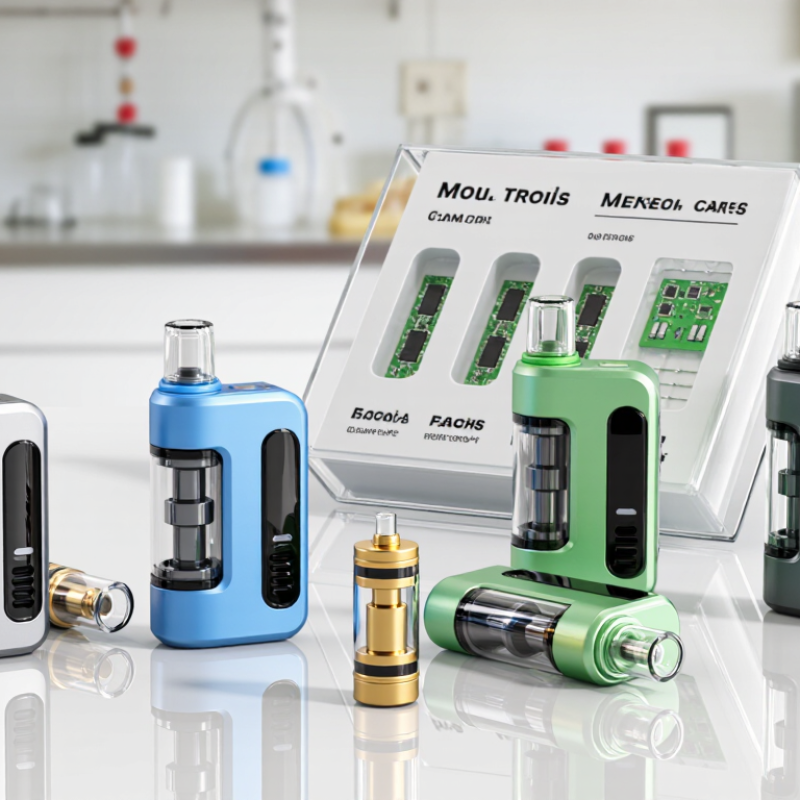
China’s latest compliant disposable vape trends are shaped by regulation, not appearance alone. GB 41700-2022 sets mandatory technical requirements for e-cigarette products sold in China. It covers materials, nicotine concentration, emissions, battery safety, leakage control, and child-resistant design. Products must also carry required health warnings and clear labeling.
The standard limits nicotine concentration to 20 mg/g and restricts flavors to tobacco-related options. This has changed product development significantly. Manufacturers now focus on controlled airflow, stable nicotine delivery, sealed structures, and more consistent battery performance. A compliant disposable device should show traceable information, accurate ingredients, and packaging that resists misuse. Small details matter here. A loose mouthpiece can become a serious quality concern.
China’s licensing rules add another layer. Manufacturers, wholesalers, and retailers need the appropriate tobacco monopoly licenses. Products must enter approved supply channels and meet national standards before reaching consumers. Online sales and informal distribution can create major compliance risks. Quality teams often check batch records, factory controls, testing reports, and warning labels before shipment. The process is practical, but not flawless. Documentation may be complete while actual product consistency still needs closer review. Buyers should verify licensing and traceability instead of trusting polished packaging.
Products generally use tobacco-only flavor profiles under the national standard. Fruit, candy, and beverage descriptions should not guide design or promotion. Dryness, mild sweetness, and aftertaste still need careful testing.
The maximum nicotine concentration is 20 mg/g. Manufacturers should verify each batch through qualified laboratory testing. Supplier paperwork alone is not enough.
Packaging should show nicotine concentration, production details, and relevant warnings for adult users. Text must be readable and accurate. A small printing error can create a serious compliance concern.
Sealed structures help control airflow and reduce liquid leakage. They also make production quality more consistent. A clean exterior does not prove internal leakproofing.
Devices should include overcharge protection, short-circuit resistance, insulation, and controlled heating. Swelling, loose wiring, or unusual heat indicate warning signs. Battery reliability can decline after poor storage.
Inspect devices after normal storage and transport conditions. Check seals, liquid traces, and airflow behavior. One successful sample proves very little.
Readable batch details and manufacturing records support recalls and supply-chain checks. A scannable code can help. It is not automatic proof of quality.
Check the production code, packaging condition, and visible liquid leakage. Record findings during receiving inspections. Small documentation gaps deserve attention.
Yes, some users may find restrained tobacco profiles less satisfying. Product teams should collect feedback and adjust carefully. Exaggerated claims are not a good solution.
China’s latest compliant disposable vape trends are increasingly shaped by regulation, standardization, and responsible market oversight. Under GB 41700-2022 and China’s e-cigarette licensing rules, products are expected to use tobacco-related flavor profiles, follow defined nicotine limits, and meet strict requirements for product safety and quality. Manufacturers and distributors must also account for a 36% production tax and an 11% wholesale tax, making transparent costing and tax compliance essential.
When considering what are the latest trends in disposable vapes, key developments include stronger battery safety, improved leakproofing, standardized production, and traceability throughout the supply chain. Export activity is also growing, but it is increasingly linked to documentation, quality controls, and destination-market compliance. At the same time, youth protection measures, age verification, marketing restrictions, and state monopoly oversight are becoming central to the industry’s development, encouraging a more controlled and legally compliant market.

 Flow Vape