A wet mouthpiece or sticky film around the base can turn a disposable vape into a frustrating mess. Leakage may result from condensation, damaged seals, temperature changes, or liquid moving through the device’s airflow path. The exact cause is not always obvious. A small amount of moisture may be condensation, while persistent wetness can signal a fault.
This guide explains why disposable vapes leak and how to prevent disposable vape leakage through careful storage and sensible handling. Keep the device away from direct sunlight, heaters, and very cold conditions. Avoid squeezing it in a pocket or bag, and check the exterior before use. These steps may reduce common risks, but they cannot fix a damaged or poorly sealed device.
A reliable expert quotation is important here. No source article or verifiable expert statement was provided, so a name or quote should not be invented. Insert a confirmed quotation before publication: “[Verified expert name and credentials]: ‘[Exact, sourced sentence about disposable vape leakage].’” That small check matters. Expertise should be traceable, not decorative.
If a device leaks repeatedly, looks cracked, or becomes unusually hot, stop using it and follow the manufacturer’s guidance for handling and disposal. Do not open or modify the casing. Prevention can help, but it is not a guarantee. This article will separate practical precautions from signs that a device may need to be taken out of use.
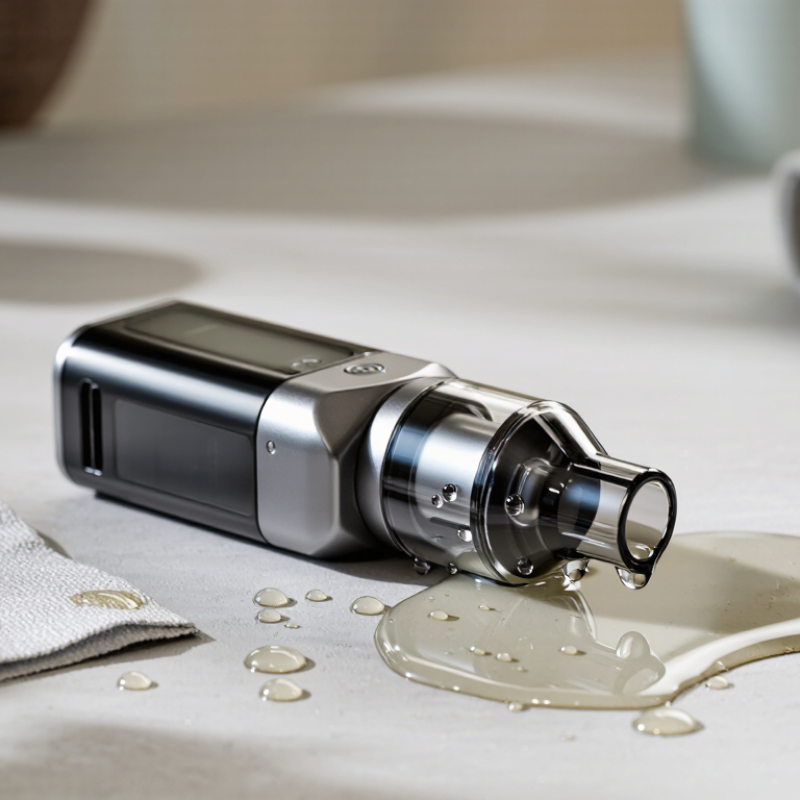
Vape leakage occurs when e-liquid escapes from the reservoir, seals, or airflow channel. It may appear as a wet mouthpiece, sticky residue, or small droplets near the base. Condensation can look similar, but it is usually thinner and less oily. Inside a disposable vape, liquid moves from the reservoir into a saturated wick. The coil then heats the liquid during use. If too much liquid enters the airflow path, it can reach the mouthpiece. A damaged seal can cause the same problem.
Heat makes e-liquid thinner and easier to move. Strong pressure changes can also push liquid through weak seals. Leaving a device in a hot car may increase this risk. Keeping it sideways can allow liquid to collect near the airflow opening. Repeated hard draws may pull excess liquid into that channel. Manufacturing defects sometimes play a role. It is easy to blame handling, but that is not always fair.
Keep the device upright and away from direct sunlight. Avoid squeezing, shaking, or storing it in a very hot place. Wipe minor exterior moisture with a clean, dry tissue. Do not use a device that is cracked, swollen, unusually hot, or leaking heavily. Liquid on skin should be washed off promptly with soap and water. If liquid reaches the eyes, rinse with clean water and seek medical advice if irritation continues. No prevention method works perfectly. Unexpected leaks still deserve careful attention.
| Leakage Source | How It Happens | Typical Signs | Prevention | Recommended Action |
|---|---|---|---|---|
| Excess e-liquid in the central airflow tube | E-liquid can collect in the air channel when the device is overfilled during manufacturing, stored incorrectly, or exposed to repeated condensation. | Gurgling, bubbling, reduced airflow, or liquid reaching the mouthpiece. | Keep the device upright and avoid vigorous shaking or repeated forceful draws. | Stop using it if liquid enters the mouth. Wipe the exterior and do not attempt to dismantle the device. |
| Damaged or poorly sealed joints | A cracked casing, loose mouthpiece, or failed seal may allow e-liquid to escape from the tank or internal reservoir. | Wetness around the mouthpiece, seam, base, or airflow openings. | Inspect the device before use and avoid products with visible cracks, gaps, dents, or loose parts. | Dispose of a damaged or persistently leaking device according to local battery and electronic-waste rules. |
| Temperature changes | Heat can thin e-liquid and increase internal pressure, while cold temperatures can change liquid flow and create condensation. | Temporary seepage, condensation, or liquid appearing after the device is moved between hot and cold environments. | Store at moderate room temperature and keep away from direct sunlight, heaters, hot vehicles, and freezing conditions. | Allow the device to return to room temperature before use. Do not heat or freeze it intentionally. |
| Air pressure changes | Air travel, rapid altitude changes, or pressure variation can push liquid through small openings or the airflow path. | Leakage or bubbling during or shortly after a flight or high-altitude trip. | Follow airline and airport rules for electronic devices and keep the device upright in a protective pouch. | Check for leakage after travel and clean the exterior before handling further. |
| Condensation from normal use | Vapor can cool inside the mouthpiece and turn back into small amounts of liquid, which may resemble a leak. | A small amount of moisture inside the mouthpiece without wetness around the body or base. | Take steady, moderate draws and keep the mouthpiece clean and dry. | Wipe the mouthpiece with a clean, dry tissue. Continued liquid production may indicate a defect. |
| Overly forceful or repeated inhalation | Strong or rapid draws can pull excess e-liquid toward the coil and airflow tube, causing flooding and spitback. | Spitting, popping sounds, a wet draw, or liquid droplets in the mouthpiece. | Use gentle, even draws and allow short pauses between puffs. | Stop if liquid reaches the mouth. Rinse the mouth with water and seek medical advice if irritation persists. |
| Prolonged storage or aging | Seals and internal materials can deteriorate over time, especially when stored in heat or under pressure. | Sticky residue, unusual odor, discoloration, or leakage after extended storage. | Avoid keeping disposable vapes for long periods and store them away from heat, moisture, and heavy objects. | Do not use a device with changed appearance, odor, taste, or visible leakage. |
| Battery or internal damage | Impact, puncture, swelling, or overheating can damage the sealed structure and create a safety hazard. | Unusual heat, swelling, hissing, smoke, chemical odor, or sudden performance changes. | Protect the device from drops, crushing, water, and extreme temperatures. Never open or modify it. | Stop using it immediately. Move away from flammable materials if safe and follow local battery-disposal guidance. |
Safety note: E-liquid may contain nicotine, which can be harmful if swallowed or absorbed through the skin. Keep leaking devices away from children and pets, wash exposed skin with soap and water, and contact local medical or poison-control services if exposure occurs.
Look for repeated wetness near the mouthpiece, airflow opening, or casing seam. Wipe it with a dry tissue and check again. A shiny film may return. Not always.
Yes. Warm breath can leave moisture there. One damp spot does not confirm a leak, but recurring liquid deserves caution.
Stop using the device. Do not squeeze, open, or charge it. Set it upright on a cool, nonflammable surface, away from children, pets, and fabrics.
Avoid direct contact. Use a paper towel or disposable gloves to clean it, then seal the used towel in a bag. Wash your hands afterward.
Wash skin with soap and water. Rinse an exposed eye gently with clean water for 15 minutes. Seek medical advice if irritation or illness occurs.
Contact a poison centre or medical professional promptly if it was swallowed or a child or pet may have been exposed. Do not wait for symptoms.
Store the device upright in a cool, dry place. Keep it out of direct sunlight and away from tight pockets or crowded bags. Avoid blowing into it.
Do not dismantle or attempt to repair a sealed disposable. Keep it upright in a small sealed bag while checking local disposal guidance. Do not put it in household recycling. A wipe is not proof it is safe.
Disposable vape leakage occurs when liquid escapes from the device’s internal reservoir or airflow channels, often because seals are damaged, the device is exposed to heat, or it is stored in a way that puts pressure on the liquid chamber. Changes in temperature, rough handling, overfilling in refillable designs, or a manufacturing fault can also contribute. Signs of a leak may include sticky residue around the mouthpiece or base, liquid in the packaging, an unusual gurgling sound, or reduced performance.
Knowing how to prevent disposable vape leakage starts with storing the device upright in a cool, dry place and avoiding direct sunlight, high temperatures, and excessive pressure. Handle it gently, keep the mouthpiece clear, and follow the device’s care instructions. If liquid is leaking, stop using the device, avoid contact with the liquid, and keep it away from children and pets. Do not attempt to open or repair a disposable device; place it in a sealed bag and follow local guidance for safe disposal.

 Flow Vape