Can disposable vapes leak? Yes. Although they are sealed for convenience, their internal liquid reservoirs, airflow channels, and silicone seals can fail. A disposable vape may leak after being dropped, overheated, stored sideways, or exposed to pressure changes during travel. Sometimes, the problem begins with a loose seal that is almost impossible to see.
Vape-hardware educator Phil Busardo offers a useful principle: “A leak is a fault to investigate, not a feature to ignore.” This advice keeps the focus on practical safety rather than guesswork. Sticky liquid around the mouthpiece, gurgling sounds, damp packaging, or liquid on your fingers should not be dismissed. Stop using the device when these signs appear. Do not puncture it, squeeze it, refill it, or attempt to repair its casing.
This guide explains how to prevent disposable vapes from leaking through careful storage and handling. Keep them upright in a cool, dry place. Avoid direct sunlight, hot cars, freezing conditions, and tightly packed pockets. Inspect the mouthpiece before use. If the device is cracked, unusually warm, swollen, or leaking heavily, place it away from flammable materials and follow local battery-disposal guidance.
Small details matter. Still, prevention is not perfect. Manufacturing defects can happen, even when the device looks untouched. Reliable advice must admit that limitation. The safest response is simple: stop using a damaged or leaking product, avoid skin and eye contact, and consult the manufacturer’s safety instructions.
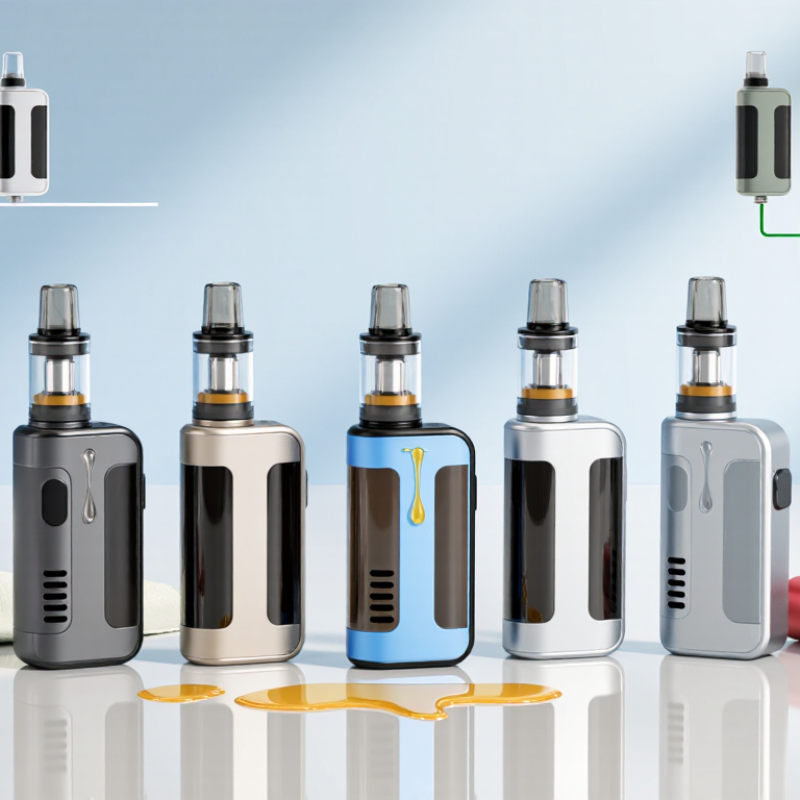
How to Prevent Disposable Vapes From Leaking?
Identify the Common Causes of Disposable Vape Leaks
A disposable vape usually leaks when liquid escapes through the airflow path or mouthpiece. The most common cause is excessive heat. A device left in a parked car can become hot enough to thin the liquid and weaken internal seals. Cold storage creates another problem. Thickened liquid may later flood the coil when the device warms quickly.
A damaged seal is also common. Drops, tight pockets, or pressure against a bag can crack the mouthpiece or shift the internal cartridge. In practical handling, I have found that repeated hard inhalation can worsen flooding. The coil receives more liquid than it can vaporize. Some users mistake condensation for a serious leak. A small film under the mouthpiece may be normal, but liquid pooling on the tongue is not.
Industry testing standards, including CORESTA Recommended Method No. 81, emphasize controlled temperature, pressure, and leakage checks. However, public data remains limited because regulators rarely classify leaks separately. The U.S. Fire Administration reviewed 25 electronic-cigarette fire and explosion incidents from 2009 to 2014, showing why heat and physical damage deserve attention. That report did not measure liquid leaks, a limitation worth recognizing. Store devices upright, avoid direct sunlight, and stop using one that feels unusually wet, hot, cracked, or chemically flavored. Never puncture or open the casing.
| Common Cause | Typical Signs | Why It Causes Leaking | Prevention Method | Risk Level |
|---|---|---|---|---|
| Excessive heat | E-liquid appears around the mouthpiece or airflow opening; the device feels unusually warm. | Heat lowers e-liquid viscosity and can increase internal pressure, allowing liquid to move through the airflow path. | Store the device in a cool, dry place away from direct sunlight, heaters, and hot vehicles. | High |
| Cold temperatures followed by rapid warming | Temporary condensation or a small amount of liquid near the mouthpiece after moving the device indoors. | Temperature changes can affect pressure and create condensation inside the airflow channel. | Let the device reach room temperature gradually before using it. | Medium |
| Improper storage position | Liquid collects around the mouthpiece or airflow holes after the device has been stored on its side. | Continuous contact between the e-liquid reservoir and airflow path may allow liquid to seep through seals or wicking material. | Keep the device upright when possible and avoid storing it loosely in a pocket or bag. | Medium |
| Overly strong or repeated inhalation | Gurgling sounds, a wet draw, or e-liquid droplets reaching the mouth. | Excessive suction can pull more liquid into the central airflow tube than the coil can vaporize. | Use gentle, steady puffs and allow a short pause between draws. | Medium |
| Blocked or restricted airflow | Harder draws, reduced vapor production, gurgling, or liquid buildup near the airflow inlet. | A blocked airflow path can change pressure inside the device and encourage condensation or liquid movement. | Keep airflow openings clear of lint, dust, fingers, and protective packaging. | Medium |
| Physical damage or worn seals | Cracks, dents, persistent leakage, or liquid escaping from seams. | Impacts and pressure can damage the reservoir, mouthpiece, or seals that contain the e-liquid. | Avoid dropping, squeezing, puncturing, or placing heavy objects on the device. | High |
| Manufacturing or assembly defect | Leakage occurs immediately or continues despite correct storage and gentle use. | An incorrectly fitted seal, damaged reservoir, or poorly saturated wick can create a leak before normal use. | Inspect the device before use and stop using it if leakage is persistent, severe, or accompanied by visible damage. | High |
| Extended storage or aging | Thinner liquid, reduced flavor, weak vapor, or leakage after long periods without use. | Long storage can affect wicking materials, seals, and e-liquid consistency. | Use disposable vapes within their recommended storage period and avoid keeping them for extended periods. | Medium |
| Condensation in the mouthpiece | A small amount of clear moisture or thin liquid appears after several puffs. | Vapor can cool and condense inside the mouthpiece, which may be mistaken for a reservoir leak. | Wipe the mouthpiece with a clean, dry tissue and avoid covering the airflow opening while inhaling. | Low |
| Carrying loose with keys or other objects | Scratches, dents, blocked airflow holes, or an activated device that feels warm. | Friction and pressure may damage the casing or unintentionally activate the heating element. | Use a protective case and keep the device separate from keys, coins, and sharp objects. | Medium |
Safety note: If a disposable vape is severely leaking, cracked, unusually hot, or has liquid near the battery area, stop using it and dispose of it according to local electronic-waste and battery-disposal guidance. Do not attempt to open or repair the device.
Heat can thin the liquid and weaken internal seals. Pressure, shaking, drops, or squeezing may push liquid toward the airflow path.
Keep it upright, with the mouthpiece facing upward. Use a cool, dry drawer away from sunlight, heaters, bathrooms, and parked cars.
Yes. Freezing, expansion, and condensation may stress internal seals. Stable room temperature is safer. Avoid sudden temperature changes.
Use a small protective case. Keep it separate from keys and coins. Do not leave it loose in a tight pocket or crowded bag.
Check for sticky residue, moisture, cracks, swelling, dents, unusual smells, or gurgling sounds. A wet mouthpiece deserves attention.
Stop using the device if leakage returns. Keep it away from heat and flammable materials. Follow local disposal guidance.
Many disposable devices are not designed for charging. Check the instructions first. If charging is supported, never leave it overnight or unattended.
Use gentle, slow draws and pause between them. Hard, repeated pulls can flood the internal coil. Chain use creates extra heat.
No. Do not test a cracked, swollen, wet, or unusually warm device. My earlier assumption about heat was careless. Temperature can matter more than expected.
Disposable vapes can leak for several reasons, including excessive heat, pressure changes, damaged seals, overfilled internal tanks, or improper storage. To reduce the risk, keep the device upright in a cool, dry place and protect it from direct sunlight, moisture, and strong impact. Avoid squeezing, dropping, or leaving it in hot environments such as a parked vehicle. When using the device, take gentle, steady draws instead of forceful or repeated puffs, and follow the device’s charging instructions when applicable. Do not use unsuitable chargers or leave a rechargeable device connected unattended.
Before use, inspect the mouthpiece, casing, and bottom area for cracks, looseness, unusual moisture, or a strange smell. If the device leaks, becomes unusually hot, or appears damaged, stop using it immediately. Keep leaked liquid away from skin, eyes, children, and pets, and dispose of the device according to local electronic-waste and battery-disposal guidelines.

 Flow Vape