Disposable vapes have gained immense popularity in recent years, reshaping the landscape of vaping. As e-cigarette usage continues to rise, understanding **what are disposable vapes made of** becomes essential. Recent studies show that the global disposable vape market is expected to reach $10 billion by 2025, highlighting the need for informed choices.
These products typically contain key ingredients like propylene glycol and vegetable glycerin. These substances create vapor and enhance flavor. Other components, such as nicotine and flavoring agents, play critical roles. However, concerns about ingredient safety persist. Some users may not fully understand the impact of inhaling these chemicals.
Industry reports indicate that many disposable vapes yield a significant amount of waste, raising environmental concerns. As more consumers seek alternatives, transparency about ingredients is crucial. Knowing what is inside these devices can lead to more responsible consumption and better health outcomes. With ongoing debates surrounding vaping safety, it’s important to remain informed and reflective.
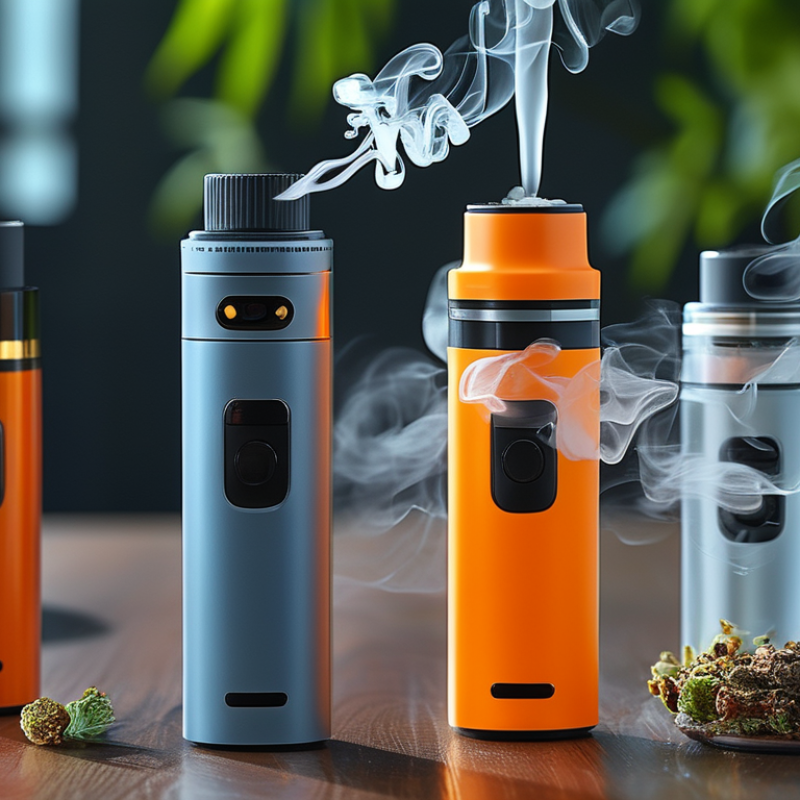
Propylene glycol (PG) is a key ingredient in many disposable vapes. It serves several essential functions in vaping liquids. This compound is favored for its ability to produce vapor when heated. According to the National Institutes of Health, PG is generally recognized as safe for consumption. Its odorless and colorless properties make it an ideal base for flavored e-liquids.
In the vaping industry, PG is often mixed with vegetable glycerin (VG). The common ratio is around 70% PG and 30% VG. This blend helps create a balanced throat hit and flavor retention. Research indicates that PG can easily carry flavor compounds, enhancing the overall vaping experience. However, some users report throat irritation or allergic reactions. A study from the Journal of Aerosol Science highlighted that while PG is safe for most, sensitivity varies among individuals.
Understanding the role of PG is crucial for vapers. Knowing its properties helps users make informed choices. Some prefer a higher VG concentration for smoother draws. Others may suffer from sensitivities and need alternatives. The decision often involves trial and error. PG’s role in vaping raises awareness of its benefits and potential drawbacks. Awareness will lead to more knowledgeable vaping practices.
This bar chart illustrates the composition percentages of key ingredients used in disposable vapes, highlighting the significant role of Propylene Glycol and Vegetable Glycerin in the formulation.
Vegetable glycerin (VG) is a vital component in disposable vapes. It plays a crucial role in creating the vapor that users enjoy. VG is a natural compound, derived from plant oils. This makes it a preferred choice for many. Its thick consistency helps produce dense clouds. For those who value greater vapor production, VG is essential.
Another key aspect is its sweetness. VG provides a subtle sweetness to vape liquids without added sugars. This can enhance the overall flavor profile. However, the viscosity of VG can make wicking more challenging in some devices. It may not always be compatible with every coil type. It is important for users to be aware of this.
Some individuals might experience sensitivities to VG. This can lead to concerns about throat irritation or allergic reactions. It’s essential to listen to your body and reflect on your experiences. Finding the right balance of VG and propylene glycol (PG) can significantly improve your vaping experience. Experimenting and adapting to what suits you best is part of the journey.
Understanding nicotine levels is crucial when considering disposable vapes. Nicotine comes in different strengths, which can significantly impact the vaping experience. Low, medium, and high levels cater to varying user preferences. Low nicotine levels offer a gentle throat hit, making them suitable for novice users. High levels can deliver a more intense experience, ideal for experienced vapers seeking a stronger sensation.
Tips: Choose your nicotine level based on your previous experiences. Start low to see how your body reacts. Monitor your responses to avoid discomfort.
Many disposable vapes contain salt nicotine. This form is absorbed more efficiently, providing a smoother hit. Salt nicotine is popular among many users for its pleasant throat hit. However, it can lead to quicker consumption. Users may find themselves puffing more frequently without realizing it. This can create a cycle that is hard to break.
Tips: Be mindful of your usage. Set limits to prevent unintentional overconsumption. Reflect on how you feel after each session. Adjust your nicotine levels according to your comfort zones and habits.
Flavorings in disposable vapes are a focal point for consumers and health professionals alike. The flavorings contribute significantly to the vaping experience but raise safety concerns. According to the National Academies of Sciences, Engineering, and Medicine, more than 7,000 distinct flavors are available in vaping products. Sweet, fruity, and dessert-like flavors attract many users, especially young adults. However, some flavoring agents have been linked to health risks.
Diacetyl, a common flavoring in food products, is one ingredient of concern. Studies reveal that inhaling diacetyl may lead to significant lung damage. Additionally, a report by the American Lung Association indicates that flavors can mask the harshness of nicotine, leading to higher consumption rates. Without regulations, the safety of these flavoring agents remains uncertain. While they make vaping appealing, their long-term health effects are still largely unknown.
Many flavorings are derived from synthetic sources that haven’t been thoroughly studied. This creates a gap in understanding their impact on health. Users often overlook these potential risks while seeking enjoyable flavors. Statistics show that over 80% of adolescents choose flavored e-cigarettes, underscoring the need for greater awareness. It's crucial to question these flavoring ingredients and their safety profiles as the vaping industry continues to evolve.
The vaping experience largely relies on the various additives included in disposable vapes. These ingredients play a significant role in flavor, vapor production, and user satisfaction. Common additives include propylene glycol and vegetable glycerin, which enhance the vapor's texture. However, the impact of flavoring agents often remains under-discussed.
Many flavor additives are recognized as safe for food but are less studied for inhalation. Some could break down into harmful compounds when heated. Users should reflect on the potential risks associated with inhaling these synthetic chemicals. A striking example is diacetyl, a flavoring linked to serious lung conditions. Though its presence may enhance taste, it poses stark dangers.
Moreover, not every ingredient lists its health implications clearly. Understanding each component is essential for making informed decisions. Transparency in additive content can significantly improve users' awareness. While the vaping experience can be enjoyable, health risks must not be overlooked. Keeping an open dialogue about these ingredients can foster better understanding and safer practices among users.
: Propylene glycol (PG) is a key ingredient in vaping liquids. It produces vapor when heated and carries flavors well.
PG is generally recognized as safe. However, some users may experience throat irritation or allergic reactions.
A typical blend is 70% PG and 30% VG. This mix creates a balanced throat hit and enhances flavor retention.
Beginners should opt for low nicotine levels. It allows them to gauge their body's reaction and avoid discomfort.
Salt nicotine is absorbed more efficiently, providing a smoother hit. It may lead to faster consumption without users noticing.
Users should set limits on their consumption. Reflecting on feelings after each session can help adjust nicotine levels accordingly.
Knowing the properties of ingredients like PG and nicotine helps users make informed decisions about their vaping products.
Yes, sensitivity to PG or nicotine varies among users. This requires careful monitoring and potential adjustments in usage.
If nicotine feels too strong, they should consider lowering their intake. It’s important to find a comfortable level for personal enjoyment.
Disposable vapes have gained popularity, and understanding what they are made of is essential for users. At the core of these devices are key ingredients such as propylene glycol and vegetable glycerin, which serve as primary carriers for nicotine and flavors. Propylene glycol provides a throat hit similar to traditional smoking, while vegetable glycerin contributes to vapor production and enhances the sweetness of flavors.
Nicotine levels vary in disposable vapes, affecting the user's experience and dependency potential. Flavorings are another vital component, offering diverse options that appeal to many users, though safety concerns regarding certain additives persist. These ingredients collectively influence not only the vaping experience but also raise important health considerations, making it crucial for consumers to be informed about what are disposable vapes made of.

Flow Vape