What Is a Pod System Vape and How Does It Work?

Time:2026-11-23 Author:Henry
0%

Pod vapes are compact electronic devices built around a battery and a small liquid-holding pod. In practical terms, what is a pod system vape? It is a vaping device that heats liquid in a pod to create an inhalable aerosol. A battery powers a heating element, while airflow may activate the device or a button may control it. The pod contains liquid and a coil or wick. Some pods are refillable; others are sealed and replaced when empty. Small device. Few parts. Still, product names can be confusing, and designs vary between brands.

Market interest gives useful context, but it does not establish a product’s safety. Grand View Research’s 2024 E-Cigarette and Vape Market report estimated the global market at USD 26.3 billion in 2023 and projected a 30.6% compound annual growth rate from 2024 to 2030. That is a market forecast, not a health finding. For a clearer explanation of the device itself, the U.S. Centers for Disease Control and Prevention describes e-cigarettes as devices that heat liquid to produce an aerosol. The CDC also notes that aerosol can contain harmful substances, and many products contain addictive nicotine. This guide explains the pod, battery, heating process, and common design differences, while keeping those limitations in view. The mechanics are simple. The health questions are not.
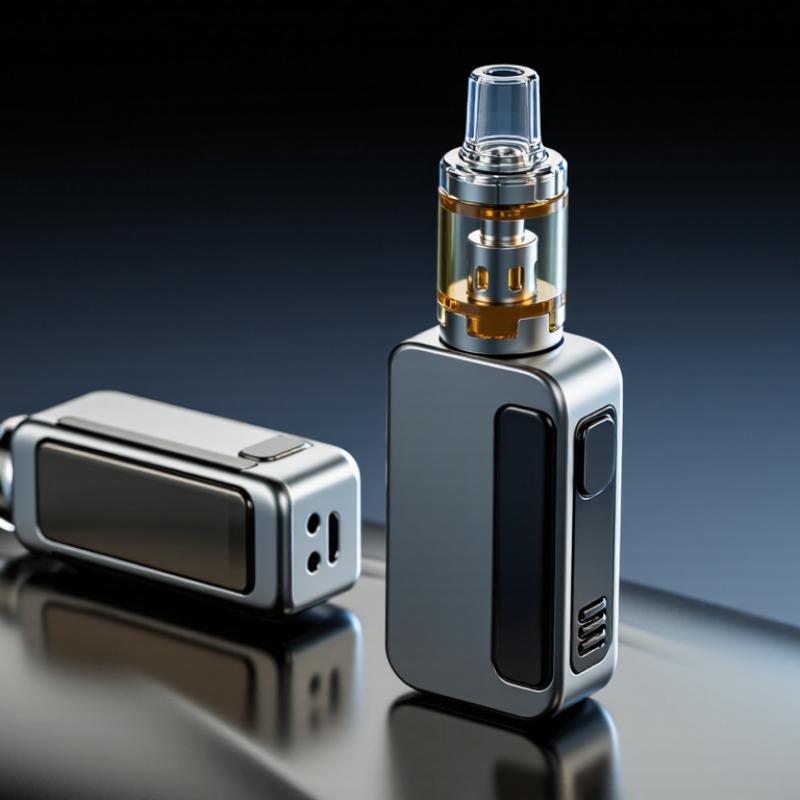
What Is a Pod System Vape and How Does It Work?

What Defines a Pod System Vape?

A pod system vape is a compact electronic device built around two main parts: a rechargeable battery and a small pod. The pod holds e-liquid and usually contains a heating coil. When the user activates the device, the battery powers the coil, which heats the liquid into an aerosol that can be inhaled. Some models activate when someone draws; others use a button. That is the basic design.

Pods may be refillable or replaceable, depending on the device. A refillable pod has a small opening for adding liquid, while a sealed pod is changed when empty or worn out. The pod also shapes airflow and often determines how the device feels to use. Look closely at the connection point: it should sit firmly against the battery, without visible leaks or damage.

The term “pod system” describes a format, not a guarantee of safety or quality. E-liquids can contain nicotine, which is addictive, and inhaled aerosol is not harmless. Device designs also vary, so the distinction between a pod system and other compact vapes can blur. That detail is easy to overlook. A clear definition should describe the parts and how they work, without treating small size as proof of lower risk.

Key Components of a Pod System

A pod system vape is built from a few compact parts that work together. The battery supplies power, while the pod holds the liquid and contains the heating coil. Many pods also include a small wick, which draws liquid toward the coil. The mouthpiece sits at the top, where the user inhales the resulting aerosol. Small parts matter.

Inside the device, an airflow sensor or button activates the battery. The battery then sends power to the coil, which heats the liquid. The wick helps keep the coil supplied, though it can dry out if liquid runs low. Some devices use replaceable pods; others allow the coil or pod to be changed separately. A charging port replenishes the battery, but charging features and indicators vary between models.

The connection between pod and battery is easy to overlook. If the contacts are dirty or the pod is not seated properly, the device may not work as expected. Designs differ, so the product instructions are the most reliable guide to care and operation.

One limitation remains: a pod system may look simple, but it still produces an inhalable aerosol, and that aerosol is not harmless.

How a Pod System Vape Works Step by Step

What Is a Pod System Vape and How Does It Work?

How a Pod System Vape Works Step by Step

A pod system vape typically has two parts: a rechargeable battery and a small pod containing liquid and a heating element. The exact design varies, so the device’s instructions are the best source for model-specific details. Here is the basic sequence.

The user activates the device with a button or by drawing through the mouthpiece. A sensor detects the draw in some models. The battery then sends power to the pod’s coil.

The coil warms the liquid held in a wick. This creates an aerosol that travels through the pod’s airflow channel and mouthpiece. It is not simply water vapor. When the draw ends, power stops, and the coil cools.

Some devices have adjustable settings; higher power can change warmth and aerosol output. Small details matter: a poorly seated pod or damaged device may not work as intended. Stop using damaged equipment and follow its care instructions.

Tips:

Keep the device and liquid away from children and pets. Check the pod for leaks, and do not use it if it appears damaged. Liquid contents differ, so read the packaging carefully.

One point is easy to miss: a familiar-looking pod does not mean every device works the same way.

Open and Closed Pod System Designs

A pod system vape uses a rechargeable battery and a small pod that holds e-liquid. When the device activates, the battery heats a coil, producing an aerosol that the user inhales. Pod shapes, airflow, and controls vary, so the same general design can feel quite different from one device to another.

Open pod systems have a refillable reservoir. Users add e-liquid through a small port, then allow time for the wick to absorb it before use. This design offers more choice, but filling can be messy, and the pod needs regular inspection. A loose seal may cause leaks. Small, but not foolproof. Replace a pod if it is cracked or persistently tastes burnt, and follow the device’s instructions for compatible liquid and care.

Closed pod systems use prefilled, sealed pods that are replaced when empty. They reduce direct handling of liquid and usually need less routine cleaning. That convenience has a trade-off: users have fewer refill options, and discarded pods create waste. Fit matters. Pods are not always interchangeable between devices, even when they look similar. Check the specific instructions rather than relying on appearance. One detail is easy to overlook: e-liquid contents differ, and nicotine can cause dependence. Vaping is not risk-free, particularly for people who do not already use nicotine.

E-Liquid, Battery, and Airflow Considerations

A pod system vape combines a small battery, a replaceable or refillable pod, and a heating coil. The battery powers the coil, which warms the e-liquid into an inhaled aerosol. E-liquid commonly contains propylene glycol, vegetable glycerin, flavorings, and sometimes nicotine. Check the device instructions: pods are designed for particular liquid types, and a poor match can affect wicking and performance. Small details matter.

Airflow slots shape the draw. A tighter passage can feel more restricted, while a wider one may feel less so; neither setting suits everyone. Keep the openings clear of lint and residue. Condensation can collect inside a pod, so inspect it if the draw suddenly changes or liquid appears around the contacts. A little mess is easy to miss.

Battery care deserves equal attention. FEMA’s 2017 report, Electronic Cigarette Fires and Explosions in the United States, recorded 195 U.S. e-cigarette fire or explosion incidents from 2009 through 2016. It noted 133 acute injuries, including 38 severe injuries. These figures cover e-cigarettes broadly, not pod systems alone. Use the specified charger, and stop using a swollen, cracked, or unusually hot device. Keep e-liquid sealed and away from children and pets. I might focus too much on the hardware here, but everyday storage matters just as much.

Pod System Vape: Battery Energy at a Glance

Illustrative battery capacities are converted to nominal energy using 3.7 V: watt-hours = amp-hours × volts. Actual specifications and usable energy vary by device.

How the parts work together: The battery powers a coil that heats e-liquid delivered by a wick. Airflow through the pod carries the resulting aerosol to the mouthpiece. E-liquid composition and pod design affect the experience; battery capacity alone does not determine vapor output or runtime.

FAQS

What are the main parts of a pod system?

It usually has a battery, pod, coil, wick, and mouthpiece. A sensor or button activates the battery. Small parts matter.

How does a pod system produce aerosol?

The battery powers the coil, which heats liquid held in the pod. A wick helps carry liquid to the coil. The user inhales the resulting aerosol.

What is the difference between open and closed pod systems?

Open pods can be refilled through a small port. Closed pods come prefilled and are replaced when empty. One can leak; the other creates discarded pods.

Why might a pod system stop working properly?

The pod may be loose, or its electrical contacts may be dirty. Check that it sits correctly and follow the device instructions.

What should users check when refilling an open pod?

Use a liquid type specified for the device. Let the wick absorb liquid before use, and inspect the seal for leaks. Small, but not foolproof.

Can pods be used interchangeably between devices?

Not always. Similar-looking pods may not fit or function correctly. Check the specific instructions rather than judging by appearance.

How should airflow openings and pods be inspected?

Keep airflow slots clear of lint and residue. Check for condensation or liquid near the contacts if the draw changes. A little mess is easy to miss.

What battery and storage precautions are mentioned?

Use the specified charger. Stop using a device that is swollen, cracked, or unusually hot. Keep liquid sealed and away from children and pets.

Is vaping risk-free?

No. The aerosol is not harmless, and nicotine can cause dependence. I may be focusing too much on hardware; everyday storage matters too.

Conclusion

This overview explains what is a pod system vape and how its compact design brings together a battery, a pod, a heating element, and an airflow path. It describes how these parts work together: the battery powers the heater, the heater warms e-liquid in the pod, and airflow carries the resulting vapor through the mouthpiece. The step-by-step explanation also highlights how device activation and liquid delivery can vary between designs.

The article compares open pod systems, which let users refill a pod, with closed systems that use prefilled pods. It also considers practical factors such as e-liquid compatibility, battery capacity, charging, and airflow settings. Together, these details offer a clear introduction to the main components and operating principles of pod systems, helping readers understand how design choices can affect convenience, maintenance, and the overall experience.

Henry

Henry

Henry is a dedicated marketing professional with a profound expertise in the company's offerings. With years of experience in the industry, he possesses an impressive understanding of the market dynamics and consumer behaviors that drive success. Henry is committed to sharing his insights through......