Top Guide How Does Airflow Affect Vaping Performance?

Time:2026-10-20 Author:Madeline
0%

Airflow is easy to overlook, yet it can change the entire vaping experience. It influences vapor temperature, draw resistance, flavor clarity, throat sensation, and coil behavior. This guide explores how does airflow affect vaping performance through practical testing and established device principles. A slightly open airflow slot may produce a cooler, smoother inhale. A tighter setting can create warmer vapor and stronger flavor concentration.

Phil Busardo, a respected vaping reviewer and device tester, describes the principle clearly: “Airflow is personal, and the right setting depends on the coil, power, and draw.” His observation reflects an important fact. No single airflow position suits every regulated device or e-liquid. A low-resistance coil with high power usually needs more air. Otherwise, the vapor may feel harsh, and the coil can heat unevenly. A smaller coil at lower power may perform better with a restricted draw.

Small changes matter.

In real use, adjust airflow gradually rather than moving the slider completely. Notice the warmth on your lips, the density of the vapor, and whether flavor becomes sharper or duller. Condensation around the mouthpiece can also reveal excess cooling or unsuitable settings. My own assessment is not perfect; airflow results vary with coil design, battery output, liquid thickness, and personal technique. That uncertainty deserves attention. This guide therefore focuses on repeatable observations, manufacturer guidance, and responsible use of legal, regulated vaping products. It does not promise maximum vapor or universal results. Instead, it explains how balanced airflow can support cleaner flavor, steadier performance, and a more comfortable draw.
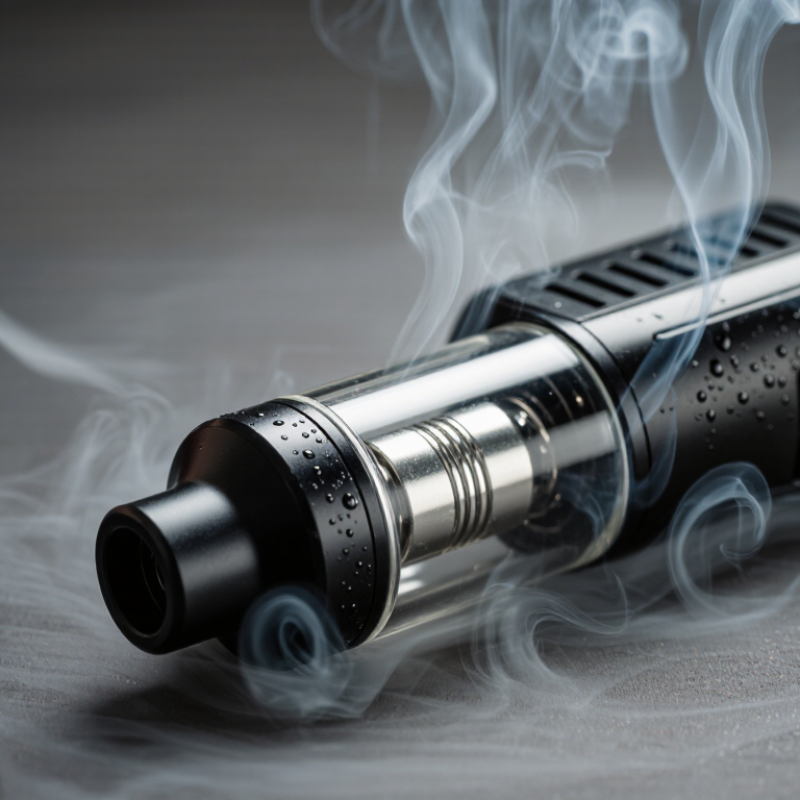
Top Guide How Does Airflow Affect Vaping Performance?

What Airflow Means in a Vape and Why It Matters

Airflow means the amount of air moving through a vape during each puff. It shapes draw resistance, vapor temperature, flavor clarity, and aerosol density. More airflow usually cools the coil and creates a lighter, smoother inhale. Less airflow can produce warmer vapor and stronger flavor, but it may feel harsh if the coil cannot keep up.

Testing conditions matter. ISO 20768 uses a 55-milliliter puff lasting three seconds, repeated every 30 seconds. Real users rarely puff so consistently. CORESTA guidance also treats puff volume, duration, and flow rate as essential aerosol-testing variables. Research published in Nicotine & Tobacco Research reports that airflow changes can alter nicotine delivery and particle output. Results vary by device design, liquid composition, coil condition, and battery power. That uncertainty deserves attention. A laboratory number is not a personal guarantee.

Tips: Start with the airflow partly open. Take a gentle, steady puff. If vapor feels hot, increase airflow or reduce power. If flavor seems thin, close the airflow slightly. Watch for gurgling, leaking, or a burnt taste. These signs often suggest poor wicking or an exhausted coil, not simply incorrect airflow. Clean the airflow opening regularly, and follow the device’s instructions. Small adjustments work better than sudden changes.

How Airflow Changes Vapor Volume, Temperature, and Smoothness

Top Guide: How Does Airflow Affect Vaping Performance?

Airflow changes vapor volume, temperature, and smoothness in noticeable ways. A wider opening lets more air mix with the aerosol. This usually creates a larger, cooler plume. A tighter opening produces a warmer, denser sensation with less total air. It can also make the draw feel stronger. The 2018 National Academies report noted that device settings and puff behavior can substantially change aerosol emissions. That finding matters because airflow is only one variable. Puff duration, battery output, liquid composition, and coil condition also influence results.

Temperature changes quickly. More airflow removes heat from the coil area, while restricted airflow allows heat to build. Excessive restriction may create harshness, dry sensations, or uneven heating. CORESTA Recommended Method 81 uses controlled 55-millilitre puffs, lasting three seconds, with 30-second intervals. This standard shows why casual comparisons can be misleading. Real-world users rarely puff with laboratory precision. I have also found that “more vapor” does not always mean better performance. Sometimes it simply means more warmth and less comfort.

Tips: Start with moderate airflow and make small adjustments. Open it slightly if the vapor feels hot or irritating. Reduce airflow restriction when the draw feels tight. Keep the device upright and inspect the coil area regularly. Replace worn components according to the manufacturer’s instructions. These practical steps support more consistent performance, but they cannot remove every source of variability.

Choosing the Right Airflow Setting for Different Vaping Styles

Top Guide: How Does Airflow Affect Vaping Performance?

Choosing the Right Airflow Setting for Different Vaping Styles

Airflow controls how much air mixes with vapor during each draw. A tighter setting usually suits mouth-to-lung vaping, where the vapor feels closer to a traditional cigarette. It can sharpen flavor and create a warmer, denser sensation. Start gently. A small adjustment can change the entire draw.

For restricted direct-to-lung vaping, open the airflow slightly. This setting supports a smoother inhale, moderate vapor production, and less resistance. Direct-to-lung users generally prefer wider airflow because it cools the vapor and allows deeper inhalation. However, opening it too far may weaken flavor and make the draw feel thin.

Watch the coil, too. A warmer coil often needs more airflow, while lower power may work better with a tighter opening. If the vapor feels harsh, add airflow or reduce power gradually. If the flavor seems muted, close the airflow a little. Make one change at a time. That keeps the result clear.

There is no perfect setting. I often change airflow after replacing a coil, even with the same liquid. Room temperature, liquid thickness, and personal draw speed all matter. My first adjustment is not always right. A few slow test draws usually reveal more than guessing. Stop if the device becomes unusually hot, leaks, or tastes burnt.

How Airflow Affects Vaping Performance

Recommended starting airflow range by vaping style, shown as a percentage of the fully open airflow control.

Mouth-to-lung vaping generally benefits from a tighter draw, while restricted direct-to-lung and direct-to-lung styles need progressively more airflow to cool the coil and support larger vapor production. Increasing airflow usually creates a cooler, less concentrated draw; reducing airflow produces a warmer, denser draw but can increase the risk of overheating. These ranges are practical starting points and should be adjusted according to coil power, e-liquid composition, and personal preference.

How Airflow Affects E-Liquid Use, Battery Life, and Coil Wear

Airflow is not just a comfort setting. It changes how much e-liquid reaches the coil and how quickly it evaporates. The National Academies’ 2018 report found that longer puffs and higher power generally increase aerosol output. A more open draw can cool the coil, but it may also encourage longer inhalation. That often raises daily e-liquid use.

Watch the tank level.

For example, a 2 mL tank used over 200 puffs equals about 0.01 mL per puff. A tighter draw may reduce that average, while a loose draw can increase it through longer heating time. Battery demand follows the same pattern. Lower resistance and higher power consume more energy, even when airflow feels cooler. CORESTA’s measurement work stresses controlled puff duration and flow, because small testing changes can distort comparisons. Real users are less consistent, unfortunately.

Coil wear also depends on liquid supply. Too little airflow can create a hot, dense vape, especially when the wick cannot keep up. That may darken residue on the coil and produce a burnt taste. Excessive airflow can reduce warmth and flavor intensity, causing users to increase power. The National Academies linked higher power and longer puffs with greater aerosol emissions, but airflow alone does not predict coil life. I would track three details: puff length, power level, and e-liquid consumption. This simple log is imperfect, yet it reveals habits better than guesswork.

Troubleshooting Common Airflow Problems in Vape Devices

Top Guide: How Does Airflow Affect Vaping Performance?

Airflow controls how much air mixes with vapor during each draw. A tight setting can create warmer, denser vapor. An open setting usually feels cooler and produces a lighter draw. When airflow changes suddenly, check the adjustment ring for dust, residue, or misalignment. Small blockages matter.

Leaking often begins around the airflow openings. Remove the pod or tank, then wipe the base with a dry, lint-free cloth. Do not force liquid back into the device. Check that seals sit evenly and that the tank is not filled beyond its marked level. A damaged seal needs replacement, not extra tightening. Over-tightening can distort it.

Weak vapor may come from restricted airflow, a worn heating element, or a battery with insufficient charge. If the draw feels unusually hot, open the airflow slightly and pause between uses. Gurgling suggests excess liquid, while a burnt taste may indicate inadequate liquid reaching the heating material. These signs can overlap, so changing one variable at a time is safer. Follow the device manual, and stop using it if the casing becomes hot, cracked, or swollen. Some fixes seem obvious but fail because the real problem is internal. A qualified repair professional should inspect persistent faults.

Top Guide: How Does Airflow Affect Vaping Performance? - Troubleshooting Common Airflow Problems in Vape Devices
Airflow Condition Typical User Experience Effect on Vapor and Flavor Common Technical Cause Recommended Troubleshooting Action Expected Result Safety Consideration
Airflow Too Tight Strong draw resistance, restricted inhalation, and possible gurgling after repeated use. Less vapor volume, warmer vapor, and a more concentrated flavor profile. Air inlet ring is nearly closed, the air path is obstructed, or condensation has collected inside the mouthpiece. Open the airflow gradually, remove visible condensation, and check that the mouthpiece and air inlets are clear. Smoother inhalation, cooler vapor, and more consistent vapor production. Moderate: excessive restriction can contribute to overheating and dry hits.
Airflow Too Open Very airy draw with little resistance and reduced throat sensation. Cooler, larger clouds but potentially weaker flavor and less concentrated vapor. Airflow control is fully open, or the device is being used with a coil designed for a more restricted draw. Reduce the airflow in small steps while taking normal-length puffs. More balanced flavor, improved warmth, and better control of vapor density. Low: avoid closing the airflow completely while the device is powered.
Blocked Air Inlet Sudden increase in draw resistance, weak vapor, or intermittent activation on draw-activated devices. Reduced airflow can make vapor hotter and may cause uneven coil heating. Dust, pocket debris, e-liquid residue, or an incorrectly positioned seal is blocking the air holes. Power off the device if possible, inspect all air holes, and clean the exterior with a dry cotton swab. Restored draw consistency and more stable vapor output. High: do not insert metal objects or liquid into the device.
Condensation in the Air Path Gurgling, popping, spitback, or small droplets of e-liquid reaching the mouth. Uneven airflow and inconsistent vaporization, often with a muted or wet-tasting draw. Vapor has cooled and condensed inside the chimney or mouthpiece, especially after short or low-temperature puffs. Remove and wipe the mouthpiece, hold the device upright, and use steady draws rather than repeated quick puffs. Less gurgling and a cleaner, more predictable draw. Moderate: avoid inhaling directly if liquid is present in the mouthpiece.
Insufficient E-Liquid Supply Harsh taste, scratchy throat sensation, or a burnt note after several puffs. Reduced vapor production and possible dry-hit flavor caused by inadequate coil saturation. Low liquid level, thick e-liquid, poor wicking, or taking repeated puffs without allowing the coil to re-saturate. Check the liquid level, keep the device upright when appropriate, and pause between puffs. Replace the coil if the burnt taste remains. More consistent vapor and reduced risk of a persistent burnt taste. High: stop using the device if the coil repeatedly produces a burnt taste or excessive heat.
Excessive Airflow Noise Whistling, rattling, or a high-pitched sound during inhalation. Vapor performance may remain normal, but turbulence can make the draw feel inconsistent. Air is passing through a narrow gap, partially obstructed inlet, loose mouthpiece, or uneven airflow setting. Clean the air inlets, reseat the mouthpiece, and adjust the airflow slightly away from the position that produces the noise. Quieter operation and a smoother draw. Low: discontinue use if the noise is accompanied by overheating or physical damage.
Flooded Coil Gurgling, weak vapor, liquid leakage, or a noticeably wet draw. Lower vapor output and inconsistent heating because excess e-liquid is covering the coil. Overfilling, excessive priming, forceful inhalation, or leaving the device in a hot environment. Keep the device upright, wipe excess liquid, avoid forceful draws, and follow the device instructions for clearing a flooded coil. Improved vapor consistency and reduced leakage. High: keep e-liquid away from the mouth and electrical contacts.
Airflow Adjusted Too Quickly Noticeable change in vapor temperature, throat hit, or draw resistance after each adjustment. Rapid changes can make it difficult to identify the setting that provides the best balance of flavor and vapor. Large airflow changes alter cooling and the amount of air mixed with vapor. Change the airflow in small increments and take two or three normal puffs after each adjustment. More repeatable tuning and easier identification of the preferred draw. Low: use moderate puff duration and avoid unusually long inhalations.
Loose Tank, Pod, or Mouthpiece Connection Airflow feels inconsistent, the device leaks, or draw activation works intermittently. Uncontrolled air entry can dilute vapor and reduce flavor intensity. A loose connection, displaced gasket, damaged seal, or misaligned pod is allowing air to bypass the intended air path. Remove and reinstall the component correctly, inspect seals for damage, and replace damaged parts according to the device instructions. More stable airflow, improved flavor, and reduced leakage. High: do not use a device with a cracked tank, damaged seal, or liquid near the battery contacts.
Airflow and Power Mismatch Vapor is either too hot and harsh or too cool and weak despite a normal liquid level. Power, coil resistance, and airflow jointly influence vapor temperature, density, and flavor clarity. High power with restricted airflow can overheat the coil; low power with very open airflow can produce thin vapor. Use the manufacturer-recommended power range and adjust airflow gradually to match the coil and preferred inhalation style. More even coil heating, steadier vapor, and improved flavor balance. High: never exceed the coil or device power limits.
Overlong or Repeated Puffs Vapor becomes progressively warmer, flavor fades, or the device feels hot during use. Long or frequent puffs can increase coil temperature and reduce the time available for liquid to reach the wick. Insufficient recovery time between puffs, restricted airflow, or power that is too high for the coil. Use shorter, comfortable puffs, allow several seconds between draws, and check the airflow and power settings. More stable temperature and lower likelihood of dry hits. High: stop using the device if it becomes unusually hot, smells burnt, or behaves unpredictably.
Airflow Setting Suited to the Wrong Inhalation Style Draw feels uncomfortable, vapor density is disappointing, or throat sensation is stronger or weaker than expected. A restricted setting generally produces a tighter, warmer draw; a more open setting generally produces a cooler, airier draw. The airflow position does not match the user’s preferred mouth-to-lung or direct-to-lung inhalation technique. For a tighter draw, close the airflow partially. For a more open draw, increase airflow gradually while maintaining a comfortable puff duration. Improved comfort and a more predictable balance between flavor, warmth, and vapor volume. Moderate: choose a comfortable setting and avoid forceful inhalation.
Rapid Temperature or Environment Change Temporary leakage, gurgling, or airflow changes after moving between cold and warm environments. Temperature changes can alter e-liquid viscosity and increase condensation inside the air path. E-liquid becomes thinner when warm and thicker when cold; pressure changes can also affect the tank or pod. Allow the device to reach room temperature, keep it upright, and inspect the mouthpiece before use. More stable liquid flow and fewer temporary airflow irregularities. Moderate: protect the device from excessive heat and direct sunlight.

FAQS

What does airflow mean in a vape?

Airflow is the amount of air moving through the device during each puff. It affects draw resistance, vapor temperature, flavor, and aerosol density.

What happens when the airflow is more open?

More air usually cools the coil and creates a larger, lighter plume. The inhale often feels smoother. Flavor may seem less concentrated.

What happens when the airflow is restricted?

Restricted airflow can create warmer vapor and a denser sensation. It may strengthen flavor. Too much restriction can feel harsh or dry.

How should I adjust airflow?

Start with the opening partly open. Take a gentle, steady puff. Open it slightly if the vapor feels hot.Close it a little if flavor seems thin. Small changes work better than sudden turns.

Why can airflow comparisons be misleading?

Puff length, power, liquid composition, coil condition, and flow rate all affect results. Laboratory puffs use fixed conditions. Real users do not.A number is not a promise.

Does airflow change e-liquid consumption?

It can. A loose draw may encourage longer heating and increase daily liquid use. For example, 2 milliliters over 200 puffs equals about 0.01 milliliters per puff.Your actual rate may differ.

Does airflow affect battery life?

Airflow itself is not the only factor. Higher power, longer puffs, and lower resistance usually consume more battery energy.A cooler puff can still use more power.

How does airflow influence coil wear?

Too little airflow may create excessive heat when the wick cannot supply liquid quickly enough. This can darken residue and cause a burnt taste.Too much airflow may reduce warmth and flavor. Some users then increase power, which can accelerate wear.

What signs suggest a problem beyond airflow?

Gurgling, leaking, or a burnt taste may indicate poor wicking or an exhausted coil. Check the coil area and keep the device upright.Airflow is not always the real cause.

Conclusion

Understanding how does airflow affect vaping performance is essential for creating a more consistent and comfortable experience. Airflow controls how much air mixes with vapor as it is produced, influencing vapor volume, temperature, throat sensation, and smoothness. A more open setting usually creates cooler, larger clouds with an easier draw, while a tighter setting can produce warmer, denser vapor and a stronger sensation. The ideal adjustment depends on personal preference, device design, and the type of inhalation style being used.

Airflow also affects practical factors such as e-liquid consumption, battery duration, and coil lifespan. Wider airflow may encourage longer or more frequent draws, increasing liquid and battery use, while restricted airflow can make a device feel hotter and may contribute to dry or burnt-tasting vapor if not balanced properly. Common issues, including weak vapor, leaking, excessive heat, or unusual noise, can often be addressed by checking airflow openings, cleaning condensation, replacing worn components, and matching the setting to the device’s recommended use.

Madeline

Madeline

Madeline is a dedicated marketing professional with a wealth of expertise in our company's core offerings. With a keen understanding of the industry, she brings a unique perspective to her role, consistently delivering high-quality content that highlights the superior aspects of our products. As......