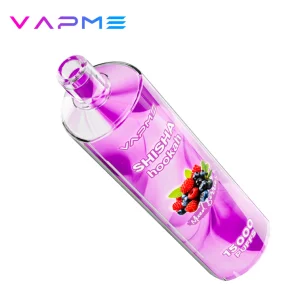
Explore our top featured architectural solutions, precision equipment, and advanced electronic consumer ecosystems designed for commercial enterprises globally.

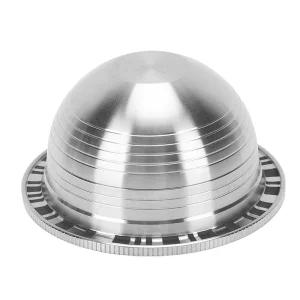



Vape drip tips—the core physical interface between the user and the vaporizer system—play a major role in thermal control, ergonomics, and fluid dynamics.
In the rapidly scaling global vape market, the technical design and material construction of drip tips are critical to the overall user experience. No longer treated as simple accessories, modern vape drip tips (often categorized as 510 or 810 connection interfaces) are engineered components. They control vapor velocity, condense heat, and directly determine lip-feel comfort.
For distributors, global brands, and e-liquid manufacturers, sourcing components from a highly trusted vape drip tip factory is essential for quality consistency, regulatory compliance, and customized brand positioning. Leading suppliers rely on CNC precision machining, food-grade automated injection molding, and medical-grade materials to meet tight industrial tolerances of ±0.05 mm. This whitepaper analyzes materials engineering, production mechanics, global market demand, and future technologies in vape drip tip manufacturing.

How leading OEM factories choose polymer composites and alloys to optimize the vaping experience.
Widely utilized due to its balanced combination of high mechanical strength, stiffness, and exceptional thermal insulation. Delrin drip tips effectively prevent high heat transfer from the atomizer coil to the user's lips, remaining cool even under sub-ohm, high-wattage conditions.
Known for its translucent amber hue, Ultem is an aerospace-grade thermoplastic with excellent heat deflection temperatures (exceeding 200°C) and flame resistance. It stands up to acidic e-liquids and aggressive sweeteners without degrading or imparting chemical tastes.
PTFE drip tips boast an extremely low coefficient of friction and a highly hydrophobic surface, preventing condensation build-up ("spit-back"). They are resistant to residue accumulation, remaining clean through extended usage cycles.
| Material Type | Thermal Conductivity (W/m·K) | Max Service Temp (°C) | Mechanical Impact Resistance | Ideal Application Profile |
|---|---|---|---|---|
| POM (Delrin) | 0.33 | 120°C | Excellent | High-Volume OEM Standard / Pod Systems / Daily Vape Mods |
| PEI (Ultem) | 0.22 | 200°C+ | Outstanding | High-Wattage Sub-Ohm Tanks / Professional Rebuildable Atomizers (RDA) |
| PTFE (Teflon) | 0.25 | 260°C | Good (Soft) | Residue-Resistant Tips / Precision Mouth-to-Lung (MTL) Airflow Control |
| SUS 316L / Titanium | 16.3 / 21.9 | 800°C+ | Extreme | Ultra-Premium Aesthetic Accents / Hybrid Wood or Acrylic Overmolds |
| Epoxy Resin / PMMA | 0.17 - 0.20 | 80°C - 95°C | Moderate | Aesthetic Customization / High-Definition Visual Custom Designs |
From raw engineering resin block to double-O-ring standard components, how premium manufacturers maintain dimensional stability.

A drip tip's connection stability depends on its physical configuration. Sizing mismatches of just 0.08 mm can result in loose connections or installation issues. Trusted factories utilize multi-axis CNC Swiss lathe machining centers alongside automated injection molding systems, maintaining tolerances within ±0.03 mm to ensure a consistent, reliable fit.
The global industry mainly uses two standards: the 510 standard (approx. 8.5mm outer connector diameter) for Mouth-to-Lung (MTL) devices, and the 810 standard (approx. 12.5mm outer connector diameter) for high-airflow Direct-to-Lung (DTL) devices. Sourcing partners must manage outer O-ring dimensions, inner bore dimensions, and connection step heights (typically 5.0mm or 5.5mm) to guarantee compatibility with all major atomizer housings.
Evaluating supplier compliance, custom branding, and supply chain considerations for wholesale buyers.
Global brands often require custom internal designs (such as spiral cooling paths) to enhance flavor profiles, as well as customized visual options like laser-etched metal borders and custom-cast resin configurations.
Finished components must pass strict extraction and biocompatibility tests (such as FDA GRAS and RoHS certifications) to ensure that materials remain stable and chemical-free at operating temperatures.
OEM operations depend on rapid manufacturing cycles, quick tool design setups, and automated optical inspection systems to maintain quality consistency during high-volume runs of millions of units.
Premium OEM & ODM capabilities driving industry-leading vapor hardware innovations.
Shenzhen Flow Vape Co., Ltd. is a professional China disposable vape and pod system manufacturer specializing in the research, development, production, and global supply of innovative vaping products. As an experienced OEM & ODM vape device supplier, the company is dedicated to delivering high-quality, customized solutions for international brands, distributors, wholesalers, and retailers.
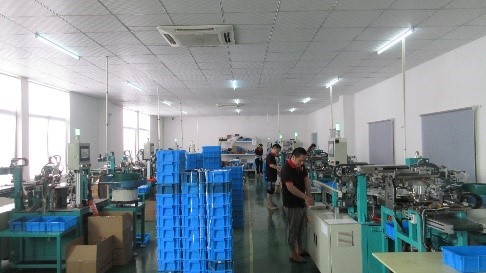
Headquartered in Shenzhen, the global center of electronic innovation, Shenzhen Flow Vape Co., Ltd. operates advanced manufacturing facilities equipped with modern automated production lines and rigorous quality control systems. The company's extensive product portfolio includes disposable vapes, pod systems, rechargeable vape devices, closed pod systems, and customized electronic cigarette solutions designed to meet diverse market requirements.
Innovation is at the heart of the company's growth. Supported by a skilled R&D team, Shenzhen Flow Vape Co., Ltd. continuously develops new technologies, enhances product performance, and introduces stylish, user-friendly designs to satisfy the rapidly evolving vaping industry. The company also provides comprehensive OEM and ODM services, including product design, branding, packaging customization, and private label solutions.
Quality and safety are fundamental to every stage of production. From raw material procurement and component inspection to assembly, testing, and final packaging, strict quality management procedures are implemented to ensure reliable product performance and compliance with international standards. This commitment enables the company to consistently supply premium vaping products to customers worldwide.
Driven by innovation, quality, and customer satisfaction, Shenzhen Flow Vape Co., Ltd. strives to become a trusted long-term partner for global clients seeking professional disposable vape and pod system manufacturing solutions, helping brands succeed in highly competitive international markets.
As vape regulations tighten worldwide, drip tip manufacturing has come under closer regulatory review. In the US, the FDA requires components to be registered under PMTA frameworks when bundled with vapor systems. In Europe, Article 20 of the Tobacco Products Directive (TPD) enforces strict requirements regarding toxicology and material emissions.
Leading suppliers ensure compliance by verifying material purity. Standard plastics are replaced with medical-grade, USP Class VI certified polymers. Additionally, manufacturing facilities implement ISO 9001 and GMP standards to keep production clean and prevent contamination from machine oils or external particulates.
Condensation inside the drip tip is a common design challenge. When hot vapor hits the cooler inner walls of the tip, it condenses back into liquid, which can lead to "spit-back" issues for the user. Advanced manufacturers solve this using interior thermodynamic geometries, such as step-tapered bores and spiral grooves, which redirect airflow and recycle condensed liquid back down to the coil heating element.
Innovations that will shape the next generation of drip tip designs.
Integrating silver-ion based antimicrobial compounds directly into polymer blends to inhibit bacteria growth on contact points, addressing user hygiene concerns.
Developing high-heat-resistant PLA and PHA biodegradable polymers to reduce the environmental impact of single-use disposable vape systems.
Drip tips featuring integrated mechanical control rings allow users to adjust air intake directly at the tip, offering easy tuning of flavor and vapor profiles.
Answers to common engineering, material selection, and logistics questions from professional B2B buyers.
Direct factory logistics, hardware components, smart consumer tech, and commercial acoustics modules for wholesale buyers.



 Flow Vape