




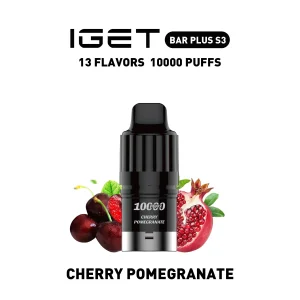
Shenzhen Flow Vape Co., Ltd. is a professional China disposable vape and pod system manufacturer specializing in the research, development, production, and global supply of innovative vaping products. As an experienced OEM & ODM vape device supplier, the company is dedicated to delivering high-quality, customized solutions for international brands, distributors, wholesalers, and retailers.
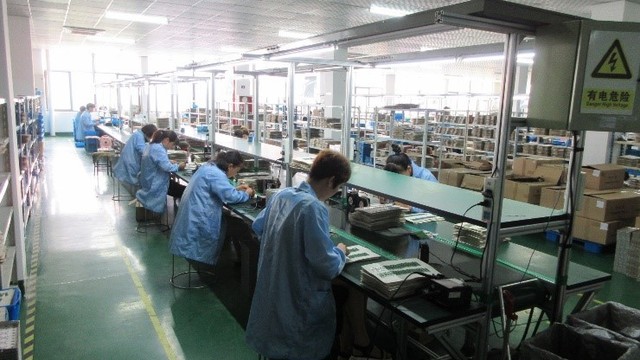
Headquartered in Shenzhen, the global center of electronic innovation, Shenzhen Flow Vape Co., Ltd. operates advanced manufacturing facilities equipped with modern automated production lines and rigorous quality control systems. The company's extensive product portfolio includes disposable vapes, pod systems, rechargeable vape devices, closed pod systems, and customized electronic cigarette solutions designed to meet diverse market requirements.
Innovation is at the heart of the company's growth. Supported by a skilled R&D team, Shenzhen Flow Vape Co., Ltd. continuously develops new technologies, enhances product performance, and introduces stylish, user-friendly designs to satisfy the rapidly evolving vaping industry. The company also provides comprehensive OEM and ODM services, including product design, branding, packaging customization, and private label solutions.
Quality and safety are fundamental to every stage of production. From raw material procurement and component inspection to assembly, testing, and final packaging, strict quality management procedures are implemented to ensure reliable product performance and compliance with international standards. This commitment enables the company to consistently supply premium vaping products to customers worldwide.
Driven by innovation, quality, and customer satisfaction, Shenzhen Flow Vape Co., Ltd. strives to become a trusted long-term partner for global clients seeking professional disposable vape and pod system manufacturing solutions, helping brands succeed in highly competitive international markets.
We utilize gas chromatography-mass spectrometry (GC-MS) to engineer custom nicotine delivery profiles. Our chemical scientists adjust PG/VG ratios to match the thermal output of mesh coils, optimizing throat hit and vapor thickness.
All raw materials undergo heavy metal screening, diacetyl/acetyl propionyl residue analyses, and pesticide residue verification. We ensure a zero-toxicity threshold for long-term respiratory exposure.
Accelerated shelf-life chambers simulate thermal degradation and oxidation patterns, ensuring our e-liquids retain flavor fidelity and color stability for up to 24 months across varying climates.
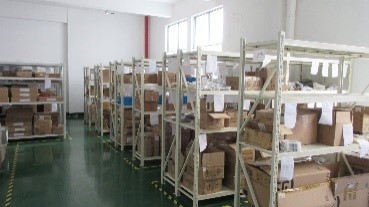
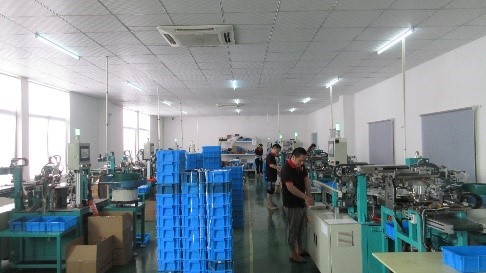
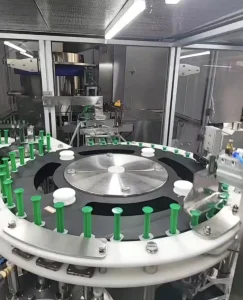
The modern aerosol supply chain requires precision execution. Our manufacturing floors employ specialized automation to minimize human error and eliminate volatile organic compound cross-contamination.
Computerized dosing networks direct ingredients from isolated silos to blending chambers via closed loops, ensuring mixing ratios remain within 0.05% of reference formulations.
Inline viscometers monitor emulsion integrity during production. Corrective loops modify formulation balances dynamically to compensate for atmospheric fluctuations.
Phasing out synthetic chemical pathways to favor plant-extracted L-nicotine. This optimization yields cleaner pharmacokinetics and reduces trace synthesis residue.
Synthesizing porous ceramic structures to prevent thermal spikes and trace compound generation. Our systems maintain uniform temperature profiles during vaporization.
Deploying RFID chip integration inside cartridges to synchronize heater profiles. Devices read the liquid formulation data and automatically configure energy delivery.
Developing next-generation organic solvent matrices to replace conventional VG and PG. These alternative systems target reduced irritation indices.
International markets present complex regulatory landscapes. We provide end-to-end compliance services to streamline validation processes across different jurisdictions.
Quantifying active constituents and detecting high-concern contaminants at ppb levels.
Ensuring no leaching of lead, cadmium, arsenic, or mercury into formulations.
Evaluating particle size distributions to optimize delivery dynamics.
Verify active ISO 9001 and ISO 13485 certifications. Audit GMP production lines for class-level classifications and cleanliness schedules.
Request Certificates of Analysis (COA) for all raw batches. Trace active nicotine sources back to raw agricultural origin.
Validate manufacturing capacities to prevent logistics bottlenecks. Confirm automated filling line outputs match delivery schedules.
The efficiency of nicotine inhalation relies on the balance between freebase nicotine and protonated nicotine salts. Freebase nicotine, at higher pH levels, vaporizes easily but can cause a harsher throat hit. Formulating with organic acids (such as benzoic, salicylic, or malic acid) converts nicotine into salt form, lowering the pH. This modification enables rapid pulmonary absorption and a smoother user experience, mimicking traditional delivery dynamics without requiring high heating temperatures.
Developing premium flavor profiles requires robust heat stability. High-temperature mesh coils can break down flavor compounds into aldehydes. Our flavor laboratories focus on compounds that resist thermal degradation. Using high-purity natural and synthetic raw ingredients, we evaluate flavor profiles at various heating profiles, ensuring taste stability and preventing off-notes throughout the life of the cartridge.
An e-liquid formulation must align with its target hardware. Propylene glycol (PG) and vegetable glycerin (VG) ratios control viscosity, which affects wicking speeds. Insufficient flow to the heating coil causes dry hits and thermal decomposition of the liquid, while excess flow leads to leaking and spitting. Our engineers balance viscosity across different temperature ranges, optimizing e-liquid performance for ceramic, mesh, and classic wire coils.
Our operations prioritize safety at every step. From raw material receipt to formulation mixing and automated packaging, we employ strict quality control protocols. Cleanrooms minimize airborne particulate contamination, while automated batch records verify formula compliance. Our analytical laboratories conduct GC-MS and ICP-MS testing on finished batches, ensuring every shipment complies with target specifications and regulatory standards.


 Flow Vape