Flow Vape



Executive Whitepaper: Strategic Sourcing of Vape Cartridges from China
In the rapidly evolving landscape of vaporization technologies, procuring reliable hardware is a key differentiator for global brands. Wholesale vape cartridges are no longer treated as simple commodity items; they are precision-engineered medical and consumer-grade fluid delivery systems. For distributors, brand owners, and multi-state operators (MSOs) looking for high-quality partners, understanding the capabilities, material sciences, and compliance standards of Chinese vape cartridge manufacturers is essential.
1. The Technical Anatomy of Premium Vape Cartridges
A professional vape cartridge relies on balancing material science, fluid dynamics, and thermodynamics. The core components of modern cartridges include:
- The Heating Element (Porous Ceramics): The transition from fiberglass wicks to porous ceramic heating cores represents a major advancement in vaporization technology. Manufacturers utilize specialized formulas with tailored porosity rates (typically between 35% and 50%) to accommodate oils of varying viscosities. The embedded heating coil—usually made of nichrome (Ni80) or iron-chromium-aluminum alloys—is fired within the ceramic at temperatures exceeding 1000°C to eliminate impurities.
- Central Post Material: High-end manufacturers have transitioned away from standard chrome-plated brass to medical-grade 316L Stainless Steel, pure titanium, or food-grade ceramic posts. This shift is driven by strict heavy-metal regulations (such as California's Phase 3 testing), which require lead levels to be virtually non-detectable.
- Housing & Tank Materials: Premium cartridges feature high-borosilicate glass or medical-grade Eastmen PCTG (plastic co-polyester) tanks. Borosilicate glass offers superior chemical resistance and thermal stability, preventing any chemical reactions between terpenes and the container wall.
- Sealing & Gasket Technology: Medical-grade, vulcanized silicone seals are strategically placed to prevent leakage. Proper engineering must account for thermal expansion, oil viscosity changes, and air-pressure fluctuations during transportation (particularly air freight).
Technical Insight: The Viscosity Match Matrix
Standard distillate oils require cartridge intake holes of 1.5mm to 1.8mm. High-viscosity concentrates, such as pure live resins or solventless rosin, demand 2.0mm intake holes paired with high-porosity ceramic formulations to prevent dry hits and preserve the oil's natural terpene profile.
2. Why Shenzhen Factories Dominate the Global Supply Chain
Shenzhen, China, is the global hub for vaporization device manufacturing. Sourcing directly from certified Shenzhen factories provides several strategic advantages:
Industrial Clustering: Within a 30-mile radius in the Bao'an District of Shenzhen, a complete supply chain operates daily. This includes raw material suppliers, precision CNC machining shops, silicon molders, surface-finishing labs, and packaging facilities. This concentration enables fast prototyping cycles, reducing the time to develop a custom cartridge from months to weeks.
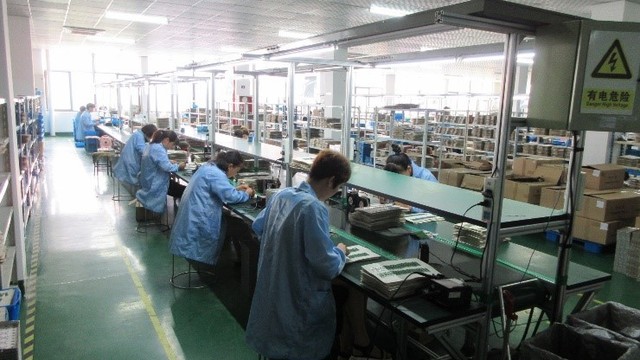
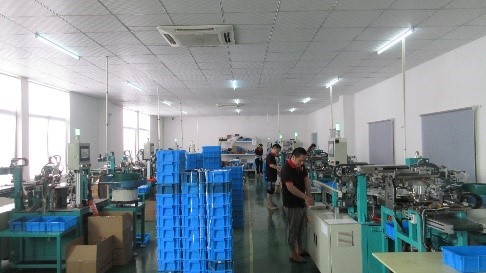
Scale Economies & Advanced Automation: High-volume production allows Chinese factories to invest in automated assembly machinery. Automated systems handle ceramic core insertion, wire soldering, resistance testing, and vision-based alignment checks. This level of automation ensures consistency across millions of units and keeps pricing competitive.
3. Navigating Global Compliance: PMTA, TPD, and Heavy Metal Regulations
Regulatory compliance is a critical consideration when importing vape hardware. Trusted manufacturers design their product development pipelines around international standards:
- Heavy Metals Clearance (USP <233>): Cartridges must be certified lead-free. Reputable factories offer batch-tested certification sheets showing non-detectable limits for Lead (Pb), Arsenic (As), Cadmium (Cd), and Mercury (Hg) under independent third-party laboratory audits.
- FDA PMTA Ready: For the United States market, hardware choices must align with the Premarket Tobacco Product Application (PMTA) pathways. Factories support brands by providing complete Master Files (DMF) detailing material compositions, aerosol emissions profiles, and toxicology data.
- European TPD Conformity: Under the European Tobacco Products Directive, cartridges must be leak-free and child-resistant. They must also undergo rigorous emissions testing to prove that heating elements do not release harmful toxins at operating wattages.
4. OEM & ODM Customization Workflows
Established brands often require custom cartridge designs to stand out in the market. China's top-tier manufacturers offer structured OEM (Original Equipment Manufacturing) and ODM (Original Design Manufacturing) services:
Surface Engineering: Brands can choose from physical vapor deposition (PVD) coatings, electroplating, anodizing, or soft-touch rubber painting in custom colors to match their brand identity.
Laser Marking & Branding: Precision fiber lasers can engrave high-definition logos onto the central post or base band of the cartridge, offering clean, permanent branding that does not contaminate the oil.
Aperture Tailoring: Factories can adjust intake holes (from 0.5mm up to 2.5mm) to match the customer's specific oil profile, optimizing flow and performance.