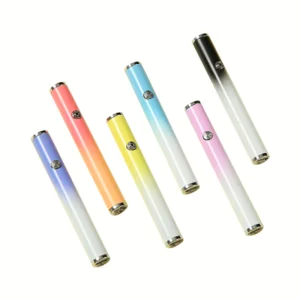


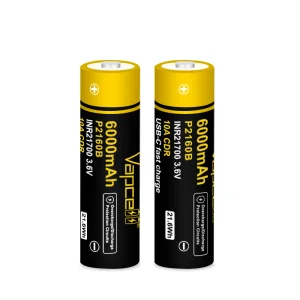
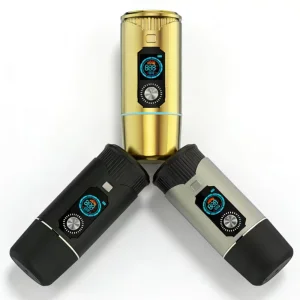
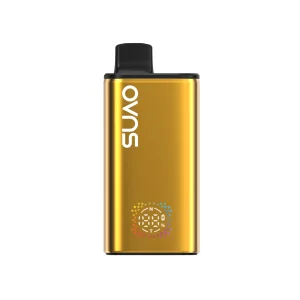
Shenzhen Flow Vape Co., Ltd. stands as a benchmark manufacturer in the global electronic nicotine delivery systems (ENDS) industry. Headquartered in Shenzhen, China—the undisputed epicentre of electronic manufacturing innovation—we operate as a specialized OEM/ODM vape device supplier dedicated to navigating the complex landscape of global vapor compliance.
Our infrastructure includes state-of-the-art manufacturing plants configured with Class 100,000 cleanroom workshops, automated assembly lines, high-speed cartoning machines, and advanced digitalized quality tracking architecture. By integrating rigorous scientific research and development with scalable manufacturing pipelines, we support leading international vape brands, bulk distributors, wholesalers, and retail chains in scaling their compliance portfolios across diverse geopolitical jurisdictions.
Our commitment extends beyond engineering aesthetics; we design and fabricate hardware compliant with rigorous international frameworks, including the European Tobacco Products Directive (TPD), the United States Food and Drug Administration (FDA) Premarket Tobacco Product Application (PMTA) pathways, and the United Kingdom's Medicines and Healthcare products Regulatory Agency (MHRA).




The electronic cigarette industry has transitioned rapidly from a nascent, unregulated open market into a highly structured, heavily monitored pharmaceutical-adjacent category. As regulatory bodies enforce strict biological, chemical, electrical, and commercial boundaries, manufacturers face the complex task of ensuring continuous compliance. Leading authorities globally approach regulatory frameworks with distinct, localized policies designed to protect public health while securing market accountability.
Under Section 910 of the Federal Food, Drug, and Cosmetic Act, the U.S. FDA mandates that all new Electronic Nicotine Delivery Systems (ENDS) receive authorization before commercial marketing. The PMTA pathway requires comprehensive toxicological studies, in-depth aerosol emission profiling (quantifying harmful and potentially harmful constituents, or HPHCs), battery safety assessments to mitigate thermal runaway hazards, and evidence that marketing the product is "appropriate for the protection of public health" (APPH). Navigating the FDA PMTA demands a rigorous scientific protocol, combining clinical exposure data with engineering durability tests.
In Europe, the sale of vaping products is governed by Article 20 of the Tobacco Products Directive (2014/40/EU). The TPD imposes strict limits on nicotine concentration (maximum 20mg/ml) and fluid volumes (maximum 2ml for prefilled pods/disposables, 10ml for refillable bottles). Each product must undergo rigorous registration through the European Common Entry Gate (EU-CEG) portal six months before entering local markets. This process requires precise reporting on chemical emission compositions, toxicological data for e-liquid ingredients, and child-resistant, tamper-evident device design.
Post-Brexit, the UK MHRA (Medicines and Healthcare products Regulatory Agency) maintains a regulatory framework parallel to the TPD, using its own dedicated notification portal. However, the UK market places distinct emphasis on product safety monitoring via the "Yellow Card" reporting scheme, combined with a progressive clinical view of e-cigarettes as viable smoking-cessation tools. Aligning with MHRA requires meticulous post-market surveillance protocols and transparent safety report pathways.
The Middle East (specifically UAE under ESMA standards) and key Asia-Pacific markets like Australia and New Zealand are establishing structured regulatory pathways. Saudi Arabia and the UAE enforce SASO/ESMA standards requiring G-Mark electrical certificates, specific Arabic warnings, and strict toxicological dossiers. Australia has shifted to a prescription-only model for nicotine vapes, highlighting the need for medical-grade quality standards, tamper-evident configurations, and precise dosage delivery.
Verification of USP-grade vegetable glycerin, propylene glycol, and ultra-high purity nicotine salts, ensuring zero contamination by heavy metals, diacetyl, or acetyl propionyl.
Integration of smart chipsets providing overcharge, over-discharge, short-circuit, and low-voltage protection, compliant with UN38.3 and UL8139 certifications.
Child-resistant closures (CRC) certified under ISO 8317 standards, combined with clear traceability serialization codes to prevent illicit distribution.
Ensuring compliance is built into every step of the development process. From initial engineering designs to raw material selection, Shenzhen Flow Vape Co., Ltd. implements a systematic compliance framework to ensure that every device meets international safety standards.
Step 1: Raw Material Validation & Batch Controls
Compliance begins before production starts. We source electronic components, organic cotton wicks, food-grade PCTG plastic reservoirs, and heating element alloys under strict quality standards. Material safety data sheets (MSDS) are maintained for every material batch, with RoHS and REACH testing conducted regularly to prevent contamination from restricted chemicals.
Step 2: Aerosol Emission Profiling (GC-MS & HPLC Analysis)
To meet PMTA and TPD requirements, vape devices must undergo emission testing under standardized puffing regimens (ISO 20768). Utilizing Gas Chromatography-Mass Spectrometry (GC-MS) and High-Performance Liquid Chromatography (HPLC), we test for harmful carbonaceous compounds (such as formaldehyde, acrolein, and acetaldehyde) generated under high heat. Our mesh coil architectures are designed to distribute heat evenly, keeping thermal decomposition products well below regulatory safety limits.
Step 3: Extractables and Leachables (E&L) Studies
To prevent chemical transfer, the plastics, silicones, and metals in contact with the e-liquid must undergo Extractables and Leachables (E&L) testing. Using food-grade PCTG for reservoirs ensures high chemical resistance, preventing acidic e-liquids from degrading materials and contaminating the vapor.
Step 4: ISO 8317 Child-Resistant Engineering
Regulatory frameworks globally require child-resistant locks on open and closed pod systems. We design mechanical locking mechanisms, such as push-turn valves and multi-press button sequences, that meet ISO 8317 and 16 CFR Title 1700 safety standards. This prevents accidental exposure by minors while ensuring simple operation for adult users.
Step 5: Batch Traceability & Serialization
Each production run is assigned a unique serialization code linked to the batch records of its heating elements, battery cells, and liquid lots. This enables full supply chain traceability, allowing for rapid response and tracking in the event of quality discrepancies.
As the regulatory landscape shifts, hardware technology must evolve to meet new safety and environmental standards. Our forward-looking engineering roadmap focuses on integrating advanced testing methods and sustainable design practices.
A. Advanced Quality Control Integration
To improve quality control, we are integrating inline vision systems into our assembly lines. High-resolution camera modules monitor the placement of sealing gaskets and connection solders in real-time, preventing potential leak pathways and ensuring product quality at scale.
B. Bio-degradable Shell Materials & Sustainable Design
Vapor products, particularly single-use disposable vapes, face increasing scrutiny regarding environmental waste. We are developing biodegradable and highly recyclable options, utilizing PLA (polylactic acid) polymers for outer housings alongside removable battery compartments. This allows users to easily separate electronics from plastic casings for responsible recycling, helping brands meet upcoming European WEEE (Waste Electrical and Electronic Equipment) directives.
C. Intelligent Child Safety Mechanisms
In response to requirements for youth prevention, we are designing smart verification systems. These include Bluetooth-enabled applications that lock devices until age verification is complete, as well as offline mechanical locking mechanisms requiring a physical combination to unlock.



 Flow Vape